Husky painting: ten lessons in shape, light and attention
Ten historic dog pictures help you choose a husky portrait with a readable face, complete outline and natural posture.
A husky painting should preserve the dog you know rather than reduce it to a snowy backdrop and a pair of bright eyes. The shape of the head, the arrangement of light and dark fur, the ear positions and the tail all contribute to recognition. Start with a photograph that makes those details clear before choosing an expressive style.
The ten works below are historic dog pictures, not a set of verified husky portraits. Their different subjects help compare a standing outline, a long coat, a dark face and a dog beside a person. The comparison is about visual decisions, not breed ancestry. Use it to decide which features of your own dog must remain visible and which parts of a setting are merely distracting.
1. Two alert outlines
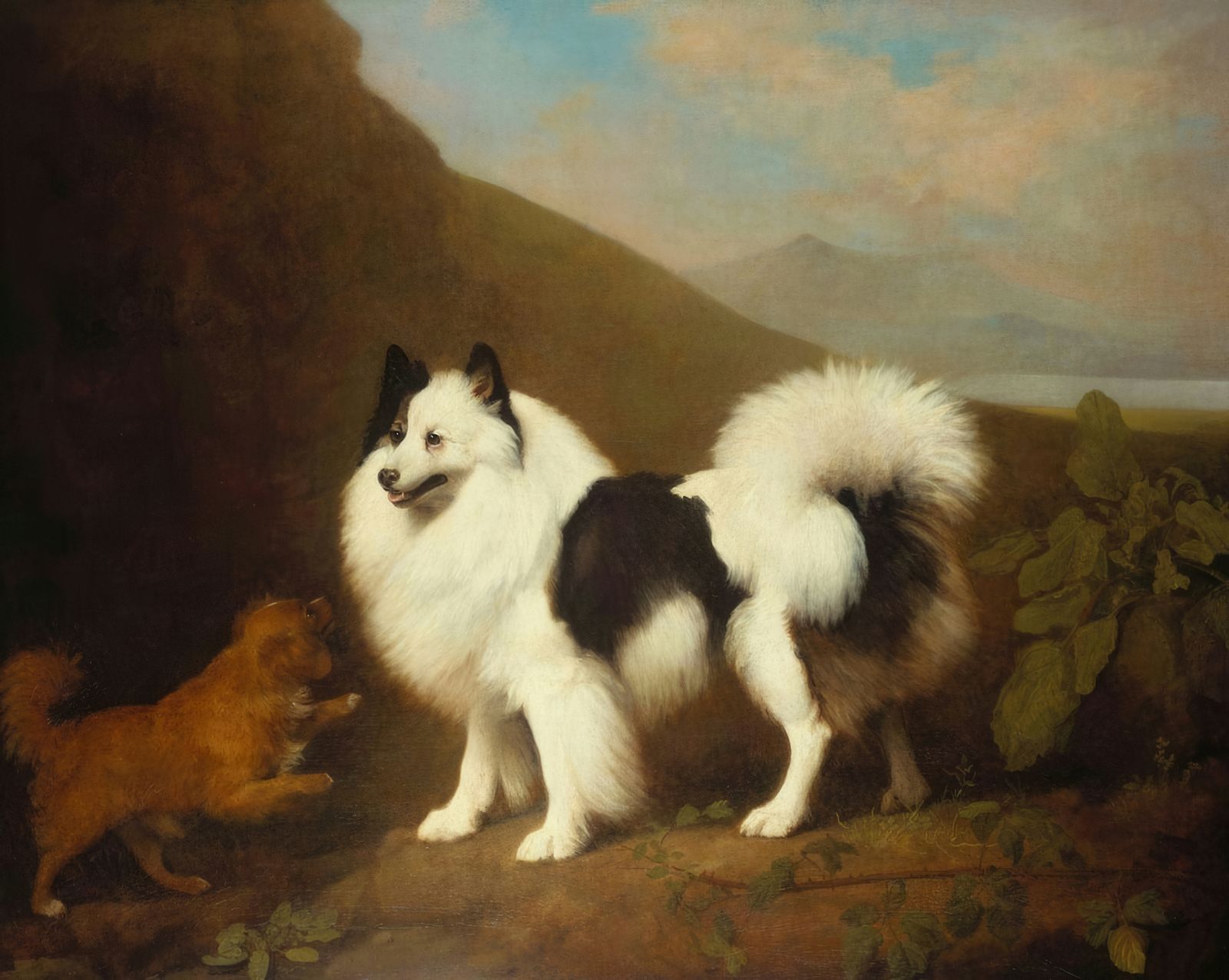
Fino and Tiny · George Stubbs · 1791 · Royal Collection. Prepared for print by Surrealium at Vaxholm Fortress, Sweden.
Stubbs's Fino and Tiny gives two small dogs distinct silhouettes against a relatively quiet landscape. They are not presented here as huskies, but the readable ears, backs and tails make a useful compositional lesson. For a husky portrait, choose a photograph in which those outer shapes remain separate from nearby furniture, foliage or another animal instead of relying only on the face to identify the subject.
2. A pale coat with volume
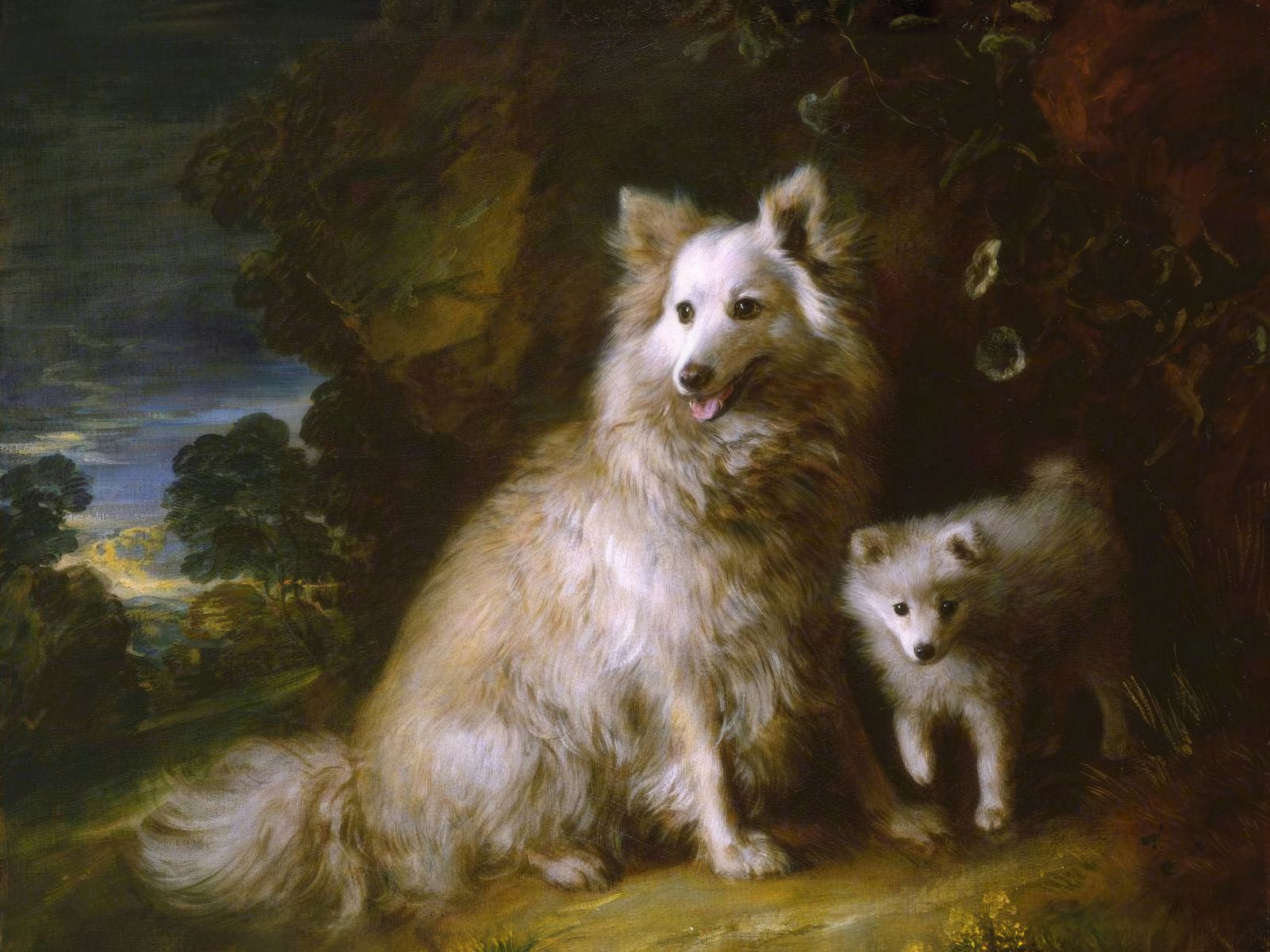
Pomeranian Bitch and Puppy · Thomas Gainsborough · 1777 · Tate, London. Prepared for print by Surrealium at Vaxholm Fortress, Sweden.
Pomeranian Bitch and Puppy shows how a light, full coat can retain shape through changes of tone. The pictured dogs differ from a husky, yet the problem of keeping pale fur from becoming a flat white mass is relevant. Look for a photograph with gentle shadows across the chest and shoulders, especially if strong sunlight has erased the texture in the brightest areas.
3. The full body in profile
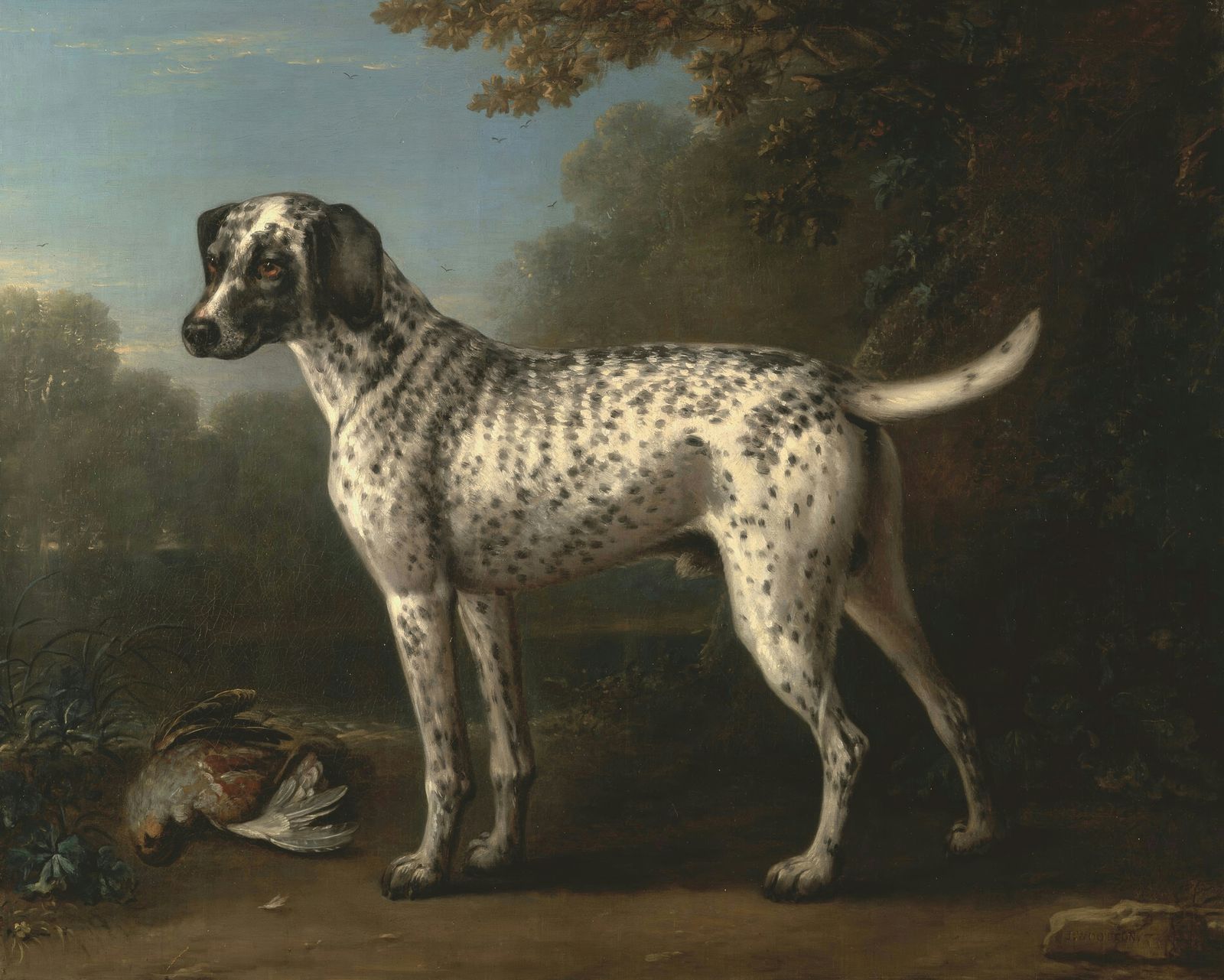
A Grey Spotted Hound · John Wootton · 1738 · Yale Center for British Art. Prepared for print by Surrealium at Vaxholm Fortress, Sweden.
A Grey Spotted Hound gives the long body and legs a clear place within the landscape. A side view can likewise explain a husky's stance and proportions more fully than a very close face photograph. Leave room for the tail and paws, and check that the dog's body has not been stretched or compressed by taking the picture from unusually close to one end.
4. An animal without a decorative role
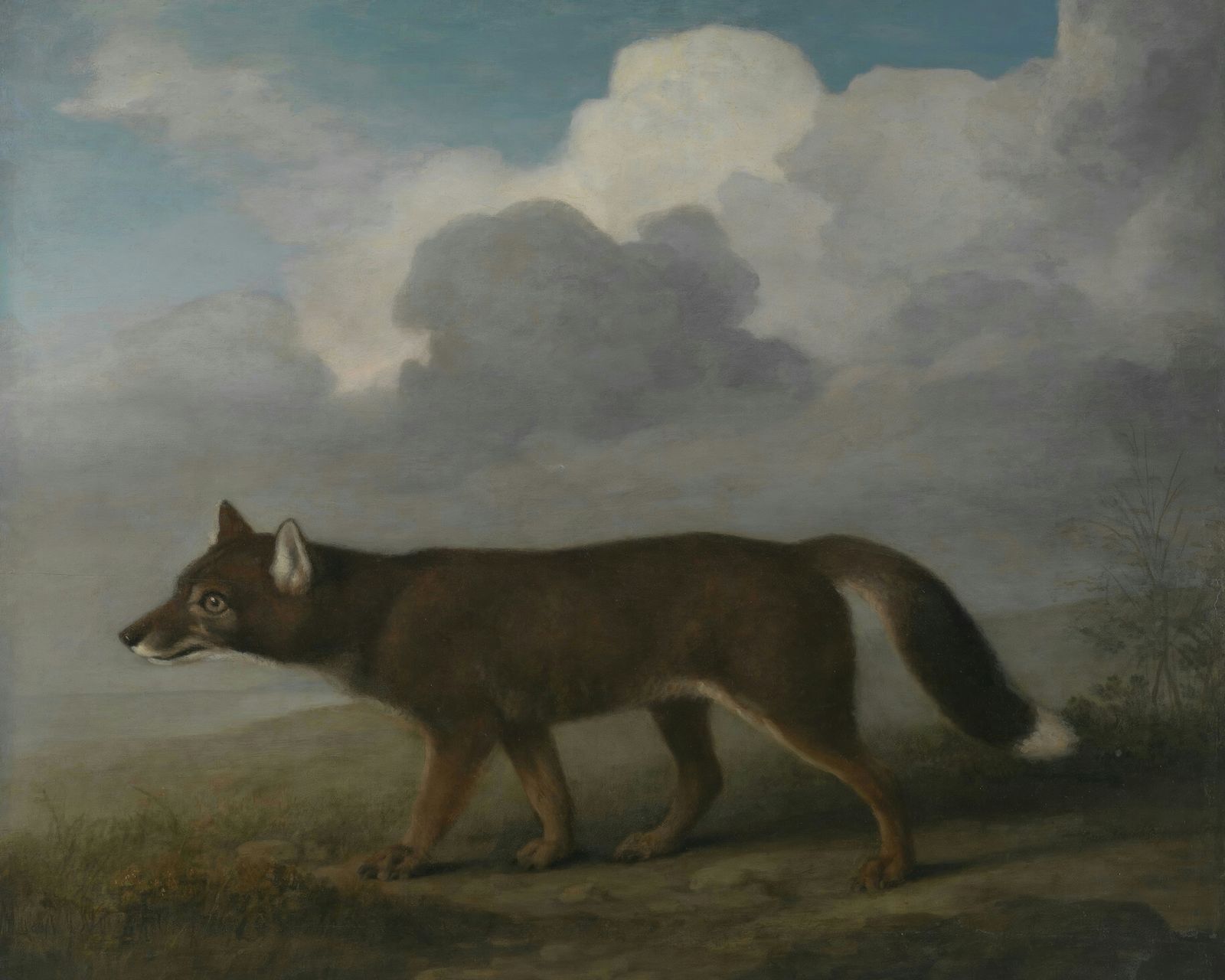
Portrait of a Large Dog · George Stubbs · 1772 · National Maritime Museum, Greenwich. Prepared for print by Surrealium at Vaxholm Fortress, Sweden.
Stubbs's Portrait of a Large Dog presents a distinct animal whose catalogue identity should not be replaced with a modern breed label. The useful comparison is the uncluttered attention to body, head and setting. A husky portrait can have that same clarity without snow, mountains or a story about wildness, particularly when the owner's favourite memory belongs to an ordinary home or garden.
5. The dog within loose surroundings
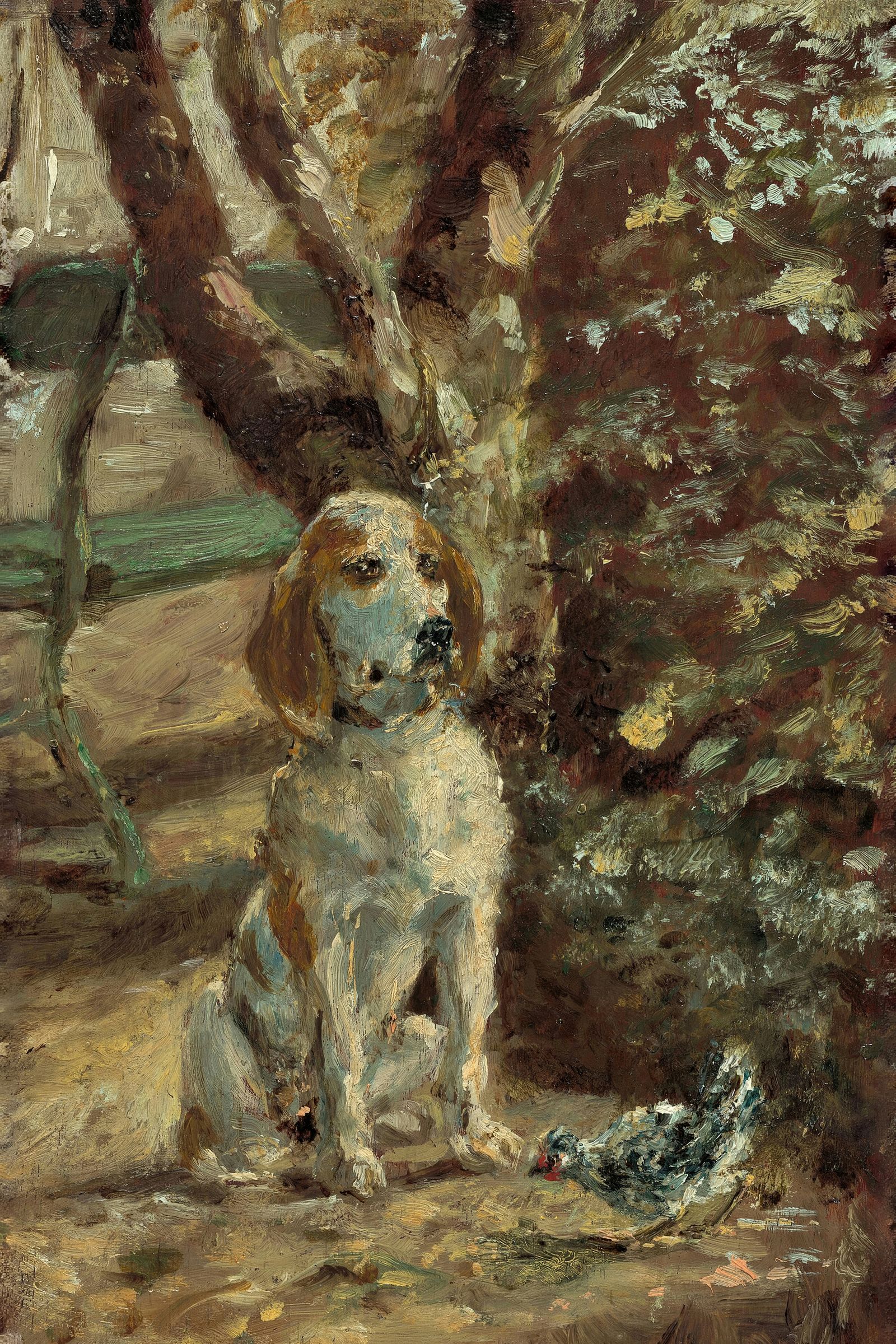
The Artist's Dog Flèche · Henri de Toulouse-Lautrec · c. 1881 · National Gallery of Art, Washington. Prepared for print by Surrealium at Vaxholm Fortress, Sweden.
Toulouse-Lautrec's Flèche remains recognisable among the broken marks of an outdoor setting. A portrait can use expressive brushwork while still preserving a clear face and posture, but a source photograph needs those details to begin with. Choose the image that shows the dog most distinctly rather than the one whose busy background already resembles a dramatic painting.
6. A large animal beside water
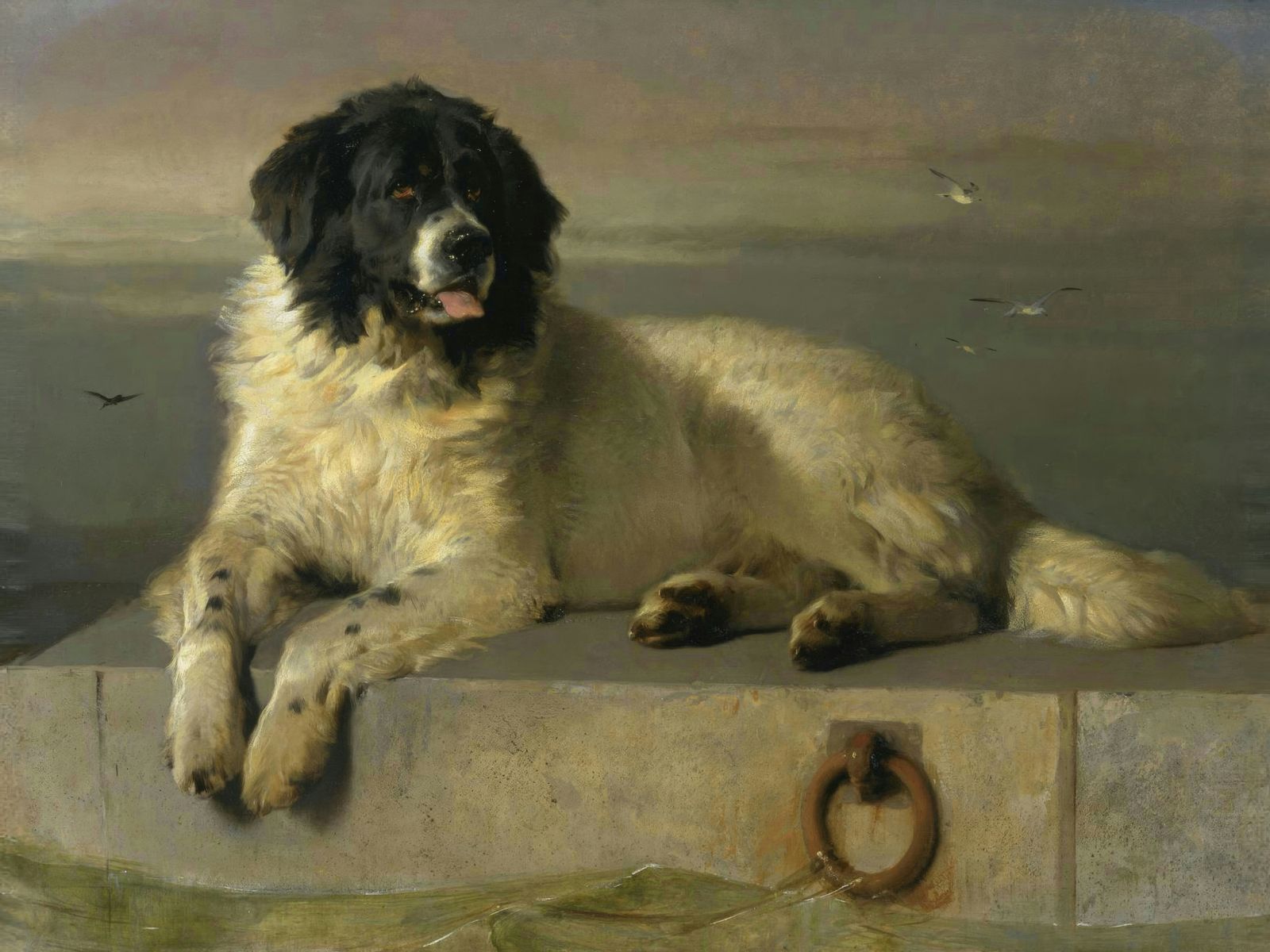
A Distinguished Member of the Humane Society · Edwin Landseer · 1831 · Tate, London. Prepared for print by Surrealium at Vaxholm Fortress, Sweden.
Landseer's A Distinguished Member of the Humane Society gives the dog a substantial, clearly supported body near the water's edge. The animal is not a husky, and the work's title belongs to its own history. What transfers is the balance between setting and subject: a beach or lakeside photograph should still give the dog's face, chest and paws enough visual importance to remain a portrait.
7. Two dogs with separate attention
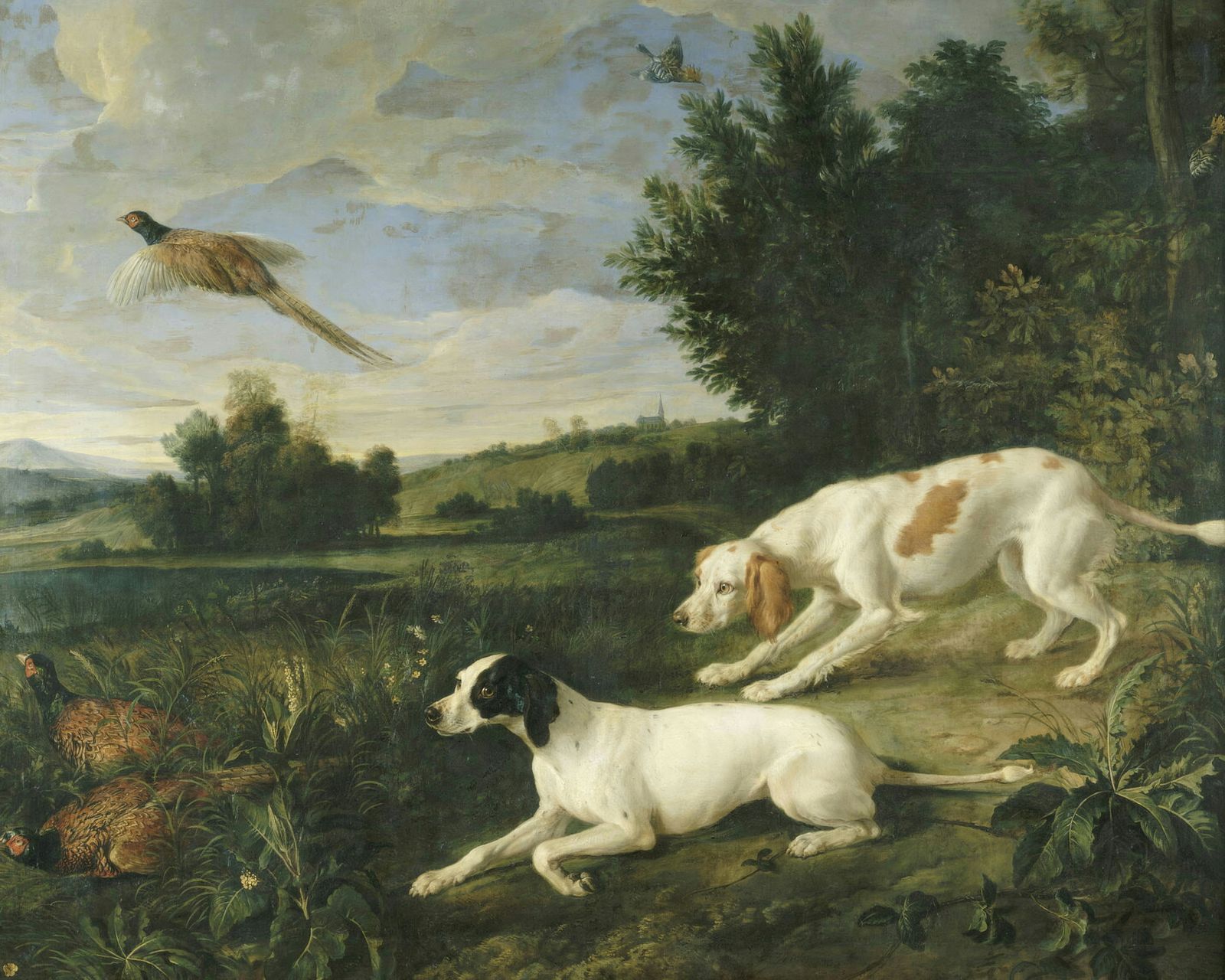
Diane and Blonde, Hounds of Louis XIV · Alexandre-François Desportes · 1702 · Musée du Louvre, Paris. Prepared for print by Surrealium at Vaxholm Fortress, Sweden.
Diane and Blonde places the hounds together while allowing their heads and bodies to remain distinct. If a husky shares the intended portrait with another dog, look for a photograph that preserves their different outlines. Similar colours can make overlapping bodies difficult to read, so a little space between heads or shoulders may matter more than getting both animals to face the camera.
8. A dark companion beside a person
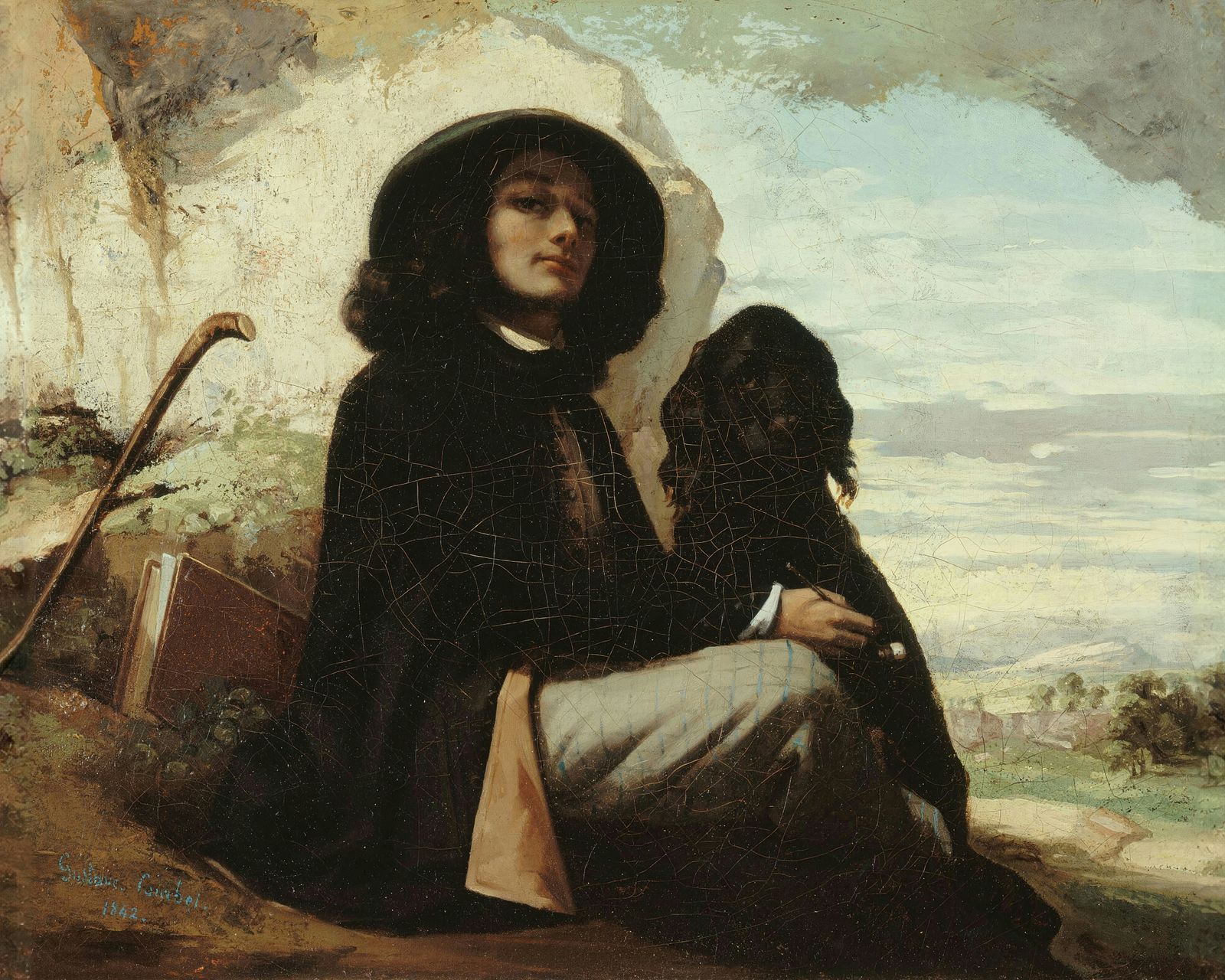
Self-Portrait with a Black Dog · Gustave Courbet · 1842 · Petit Palais, Paris. Prepared for print by Surrealium at Vaxholm Fortress, Sweden.
Courbet's Self-Portrait with a Black Dog uses the contrast between the human figure, dark animal and outdoor setting to hold the composition together. A person-and-husky photograph can work similarly when both subjects have clear faces and a natural connection. Keep the dog large enough to be recognised, rather than letting it become a small dark shape beside the dominant human portrait.
9. A pale body on a defined surface
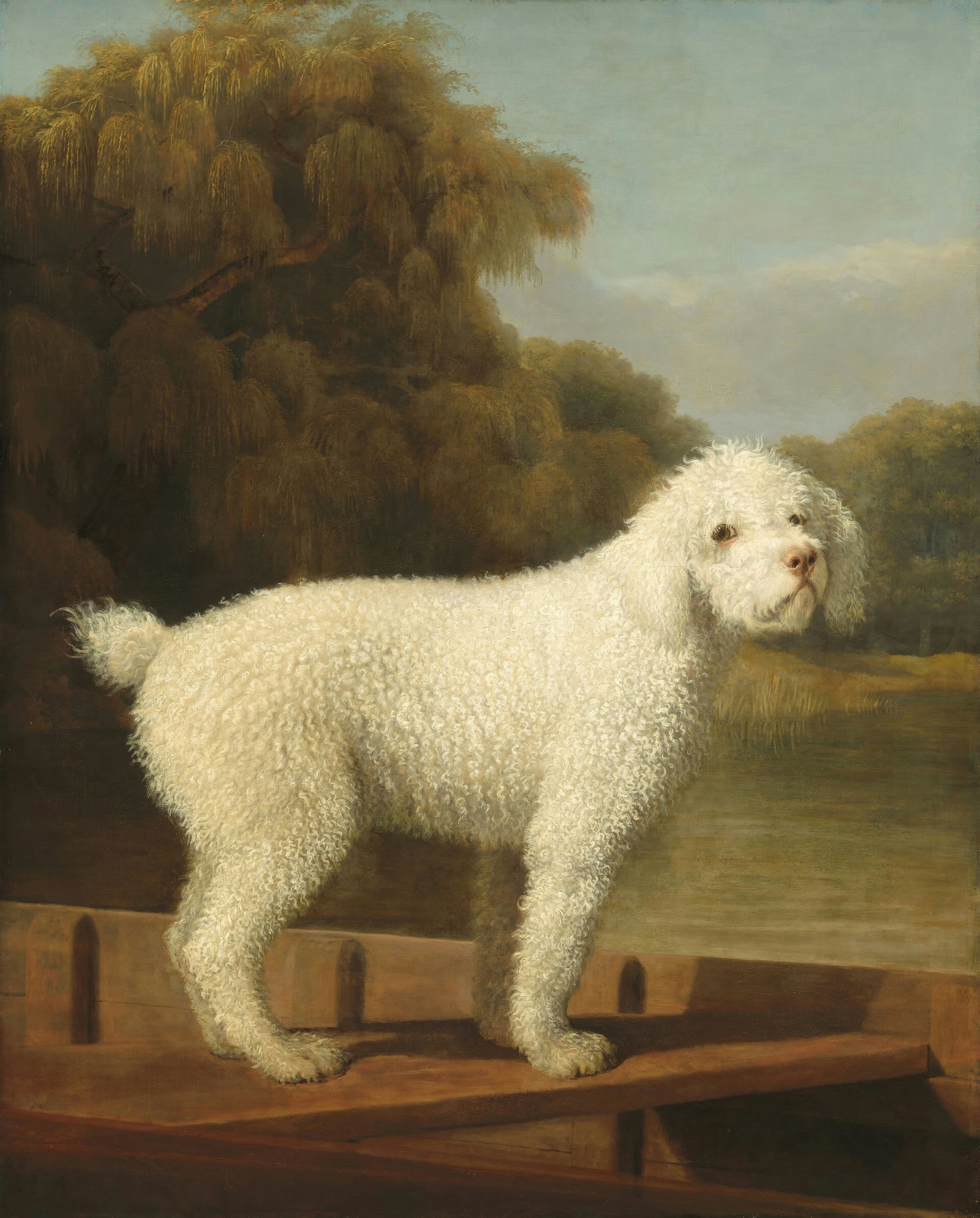
White Poodle in a Punt · George Stubbs · c. 1780 · National Gallery of Art, Washington (Paul Mellon Collection). Prepared for print by Surrealium at Vaxholm Fortress, Sweden.
Stubbs's White Poodle in a Punt makes the boat's edge explain the animal's stance while the light coat remains visible against the water. For a husky, a clear ground or resting surface can do the same work. Choose a photograph that shows where the paws are placed, so the body feels supported instead of appearing to float within an attractive but ambiguous background.
10. A pair arranged across the picture
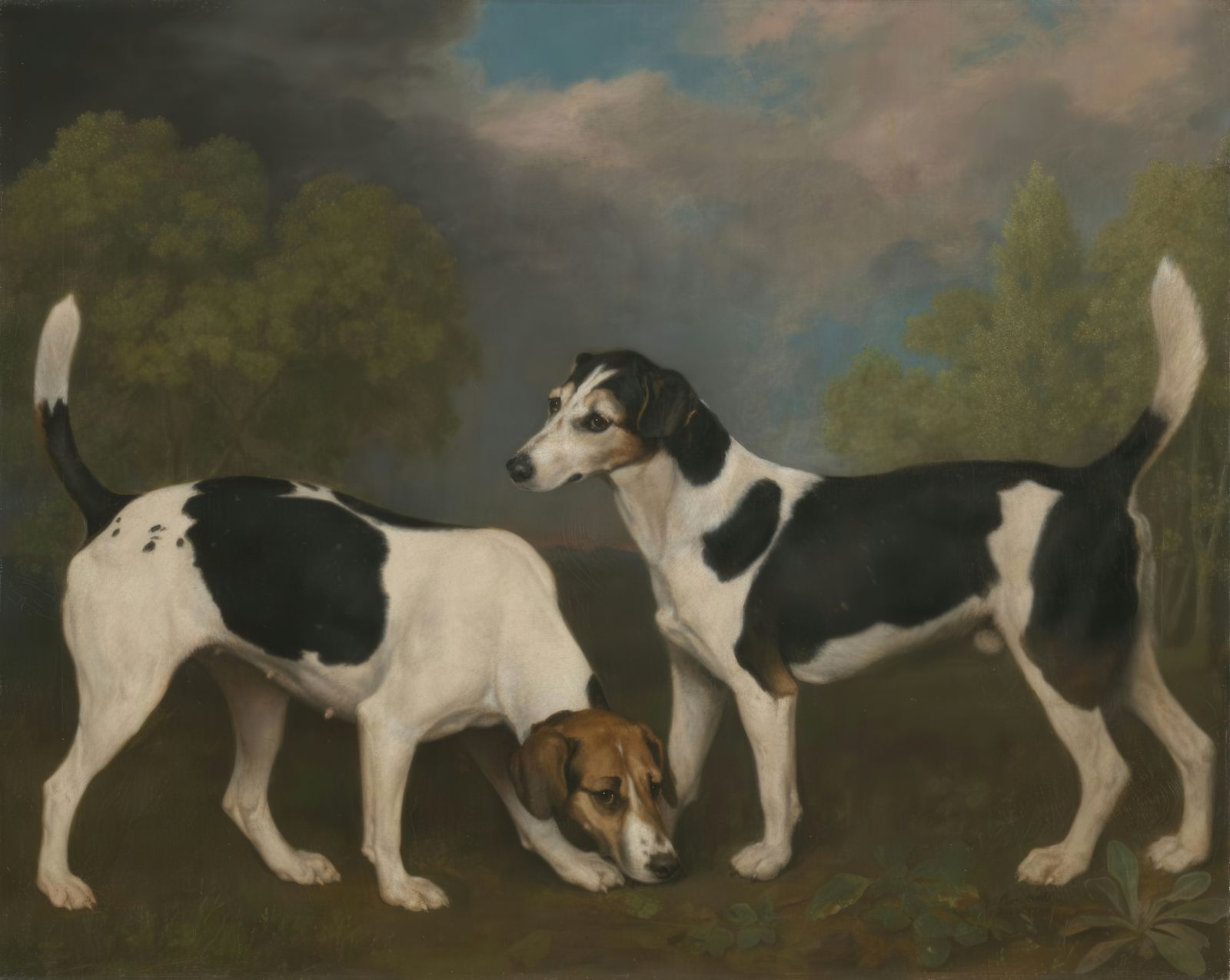
A Couple of Foxhounds · George Stubbs · 1792 · Tate, London. Prepared for print by Surrealium at Vaxholm Fortress, Sweden.
A Couple of Foxhounds shows how two dogs can share a horizontal composition without becoming one indistinct mass. The breed difference is part of the comparison, not something to conceal. If your portrait includes two huskies, select an image in which each dog's head and characteristic markings can be read separately, and decide whether the shared relationship or one individual should lead.
Compare the face and the complete outline before making a final choice. A photograph with clear markings but hidden paws may suit a close portrait; a full-body picture needs more room and a readable stance. Fable's pet portrait route begins with your photograph. Keep the reference grounded in the actual dog, and use the historic works to think about composition rather than to supply an imagined breed personality.
Compare the dog portrait guide, the wider pet portrait styles and the different coat challenge in Bernese mountain dog portraits. For another silhouette, see greyhound portraits. The complete Fino and Tiny shows why a clear outline matters.
- Does a husky portrait need a snow scene?
- No. Use a setting that belongs to the dog’s life or a quieter background that helps its features read clearly. A familiar garden, room or walking place can be more personal than a generic snowy landscape added because of the breed label.
- Which eye colour should the portrait show?
- Use the colours visible in a clear, unfiltered reference photograph of your own dog. Do not assume that a breed label determines the eyes or intensify them until they dominate the face. The relationship between the eyes, markings and head shape matters together.
- Can I use an action photograph?
- Choose an action image only if the important features remain clear. A pause just before movement may give a more readable posture than a blurred running frame. Decide whether the goal is a recognisable face or a picture of the dog’s movement before selecting the source.