New year cards for a greeting with room for the year ahead
New year cards can begin with winter art, a recent portrait and a thoughtful wish. Choose a greeting that fits the person receiving it.
New year cards offer a natural moment to write when December was busy, difficult or simply the wrong time. They can carry a winter picture, a recent portrait or a note about keeping in touch. The greeting does not need to apologise for missing another occasion.
The ten works below are references for choosing a mood, rather than previews of finished stationery. Some suggest winter, others companionship or the ordinary pleasures of home. Open Fable Cards to explore the available designs and add your own message. Check the current options before planning around a specific historical image.
For happy new year cards, consider how the year has felt for the recipient. A wish for good things can remain gentle. You do not have to describe the coming months as guaranteed to be better, and you do not need to turn the card into an account of everything your household achieved.
1. A Cart on the Snowy Road at Honfleur: begin in winter
A Cart on the Snowy Road at Honfleur · Claude Monet · c. 1867 · Musée d’Orsay, Paris
Monet's winter reference gives a January greeting a seasonal starting point without tying it to Christmas. It can suit a note to someone you hope to see when life becomes quieter. If you mention a plan, make clear whether it is an invitation or a confirmed arrangement. A card can open a conversation without putting an appointment into the recipient's diary for them.
Make a New Year card · Explore this artwork
2. The Cottage: wish someone ease at home
The Cottage (Stugan). From A Home · Carl Larsson · 1899 · Nationalmuseum, Stockholm
Larsson's domestic reference may suit a greeting about the pleasures of a familiar place. Write about a meal, a visit or a small routine you hope to share. Keep the wish responsive to the recipient's circumstances. Someone who has moved or lost a home may need different words, and a historical image should not be used to assume that everyone feels settled.
Create a personal greeting · Explore this artwork
3. La Promenade: make time for a walk
La Promenade · Pierre-Auguste Renoir · 1870 · J. Paul Getty Museum, Los Angeles
A shared-walk reference can accompany a concrete intention to spend time together. Rather than promising an entire transformed year, suggest something modest you can actually do. The picture need not be read romantically if your message is clear, but choose another design if the relationship between its figures would confuse the recipient. The greeting and the image should make sense together.
Choose your card image · Explore this artwork
4. Still Life with Apples and Pears: celebrate ordinary pleasures
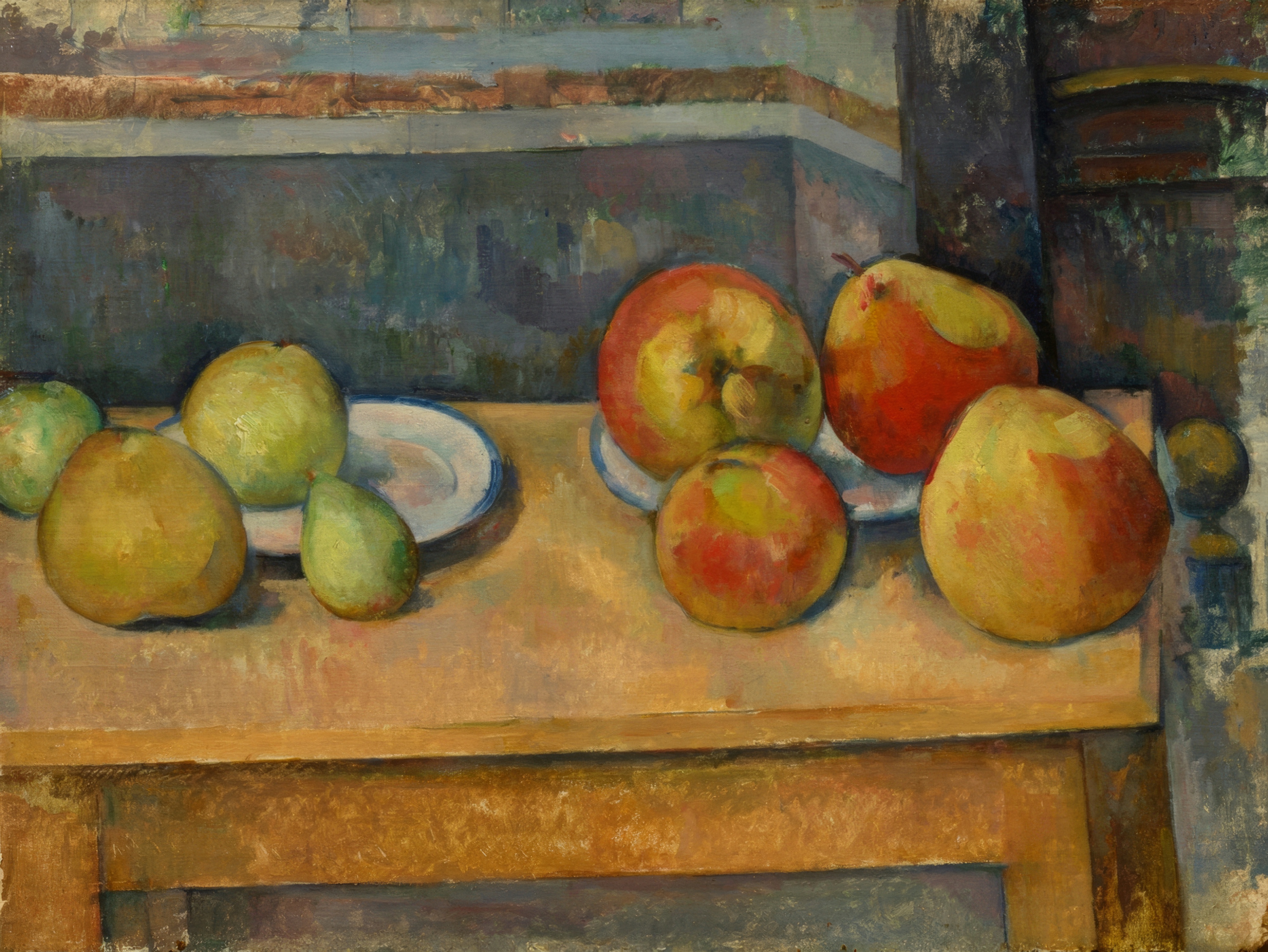
Still Life with Apples and Pears · Paul Cézanne · ca. 1891–92 · The Metropolitan Museum of Art
Cézanne's still life offers an alternative to a dramatic New Year declaration. You might write about cooking together, visiting a market or simply keeping a place at the table. Those specific pleasures can feel more achievable than a list of resolutions. Check the card proof as a whole, especially if the design includes a short greeting on the front as well as your message inside.
Make a quiet New Year card · Explore this artwork
5. Spring Bouquet: let the wish stay open
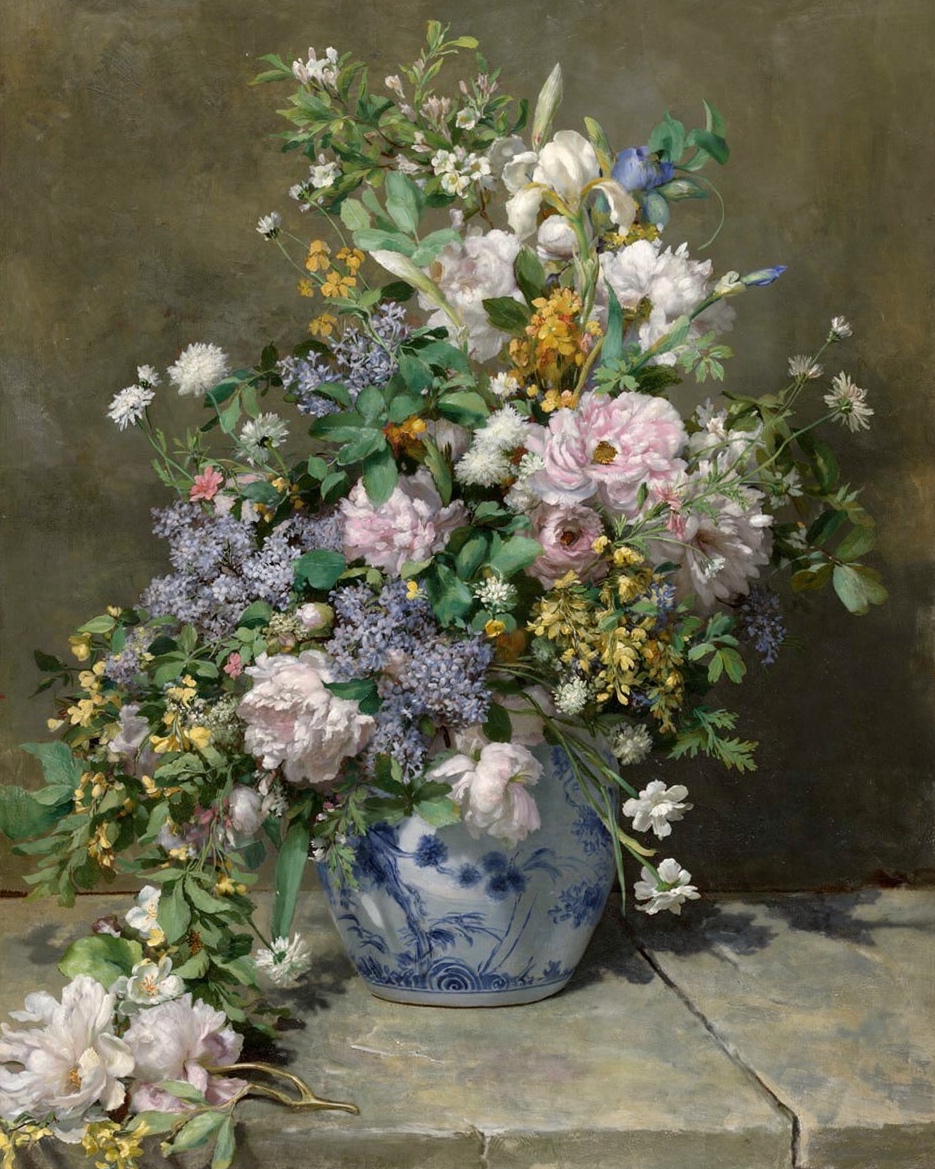
Spring Bouquet · Pierre-Auguste Renoir · 1866 · Harvard Art Museums
Renoir's floral reference can suggest a fresh beginning without requiring you to predict one. A wish for more time, company or enjoyable days leaves room for the recipient's own priorities. Avoid telling them what they should accomplish next year. An open greeting can be especially considerate when you know they have had a difficult period or are facing uncertain plans.
Explore available designs · Explore this artwork
6. The Morning Walk: a greeting from two people
The Morning Walk (Mr and Mrs William Hallett) · Thomas Gainsborough · 1785 · National Gallery, London
Gainsborough's couple reference may help you think about new years photo cards sent jointly. Choose a recent image both people like if you take the portrait route. It need not be a record of your most impressive event. A photograph that feels recognisably yours can carry a warm greeting without turning the card into a performance of how well the year has gone.
Explore a portrait card · Explore this artwork
7. Corner of a Table: invite a future conversation
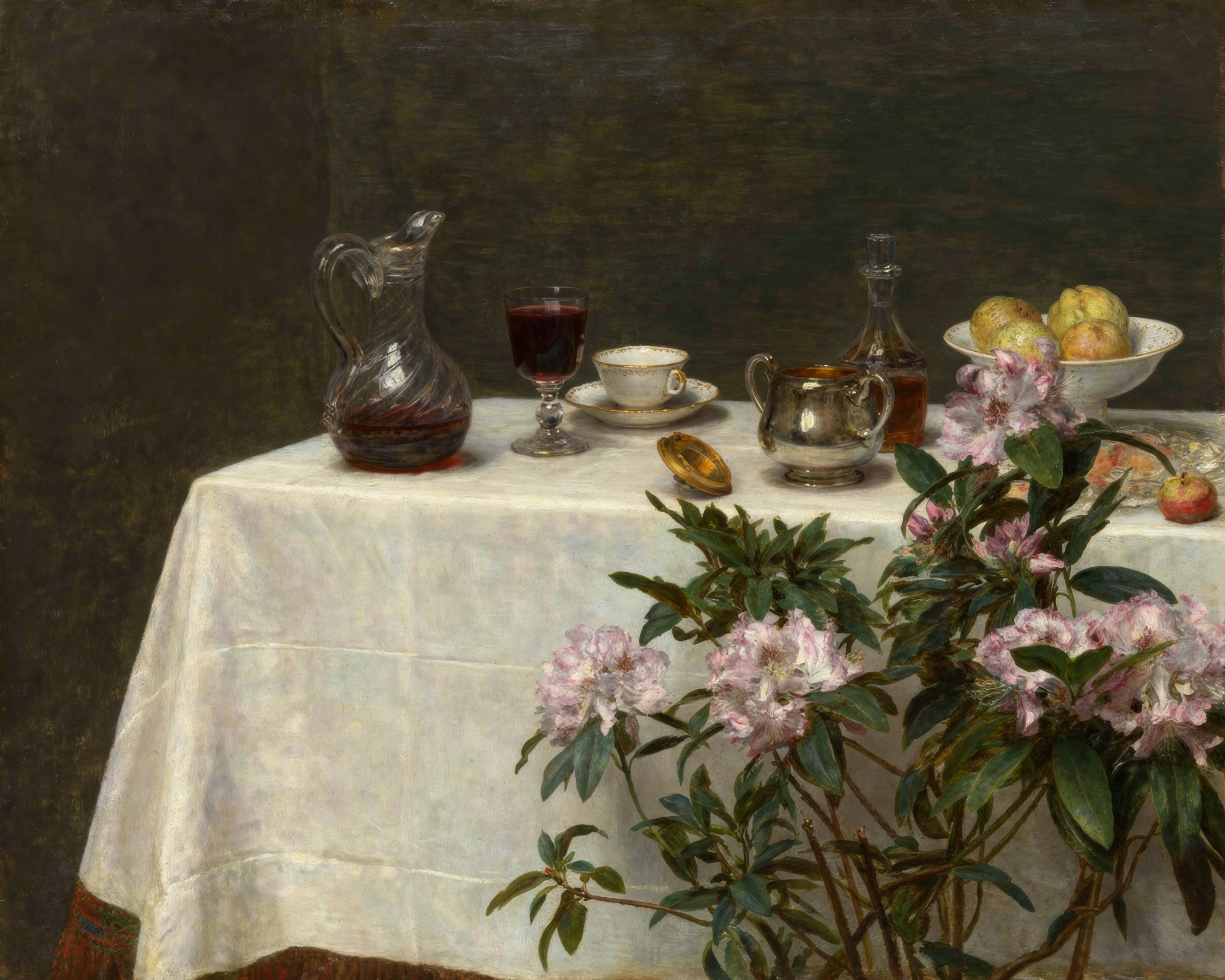
Still Life: Corner of a Table · Henri Fantin-Latour · 1873 · Art Institute of Chicago
Fantin-Latour's still-life reference can accompany a wish to sit down together again. Mention an actual shared interest or a place you both enjoy. If distance makes a visit uncertain, a call may be a more realistic invitation. Keep the promise within your control; thoughtful words should not require the recipient to forgive plans that were unlikely from the beginning.
Write your own greeting · Explore this artwork
8. Villa on a Moonlit Night: choose a quieter January
Villa on a Moonlit Night · Peder Severin Krøyer · 1872 · Collection not identified in the open-archive record
A night landscape may suit someone who welcomes the stillness after a busy season. You can wish them rest without implying that they should withdraw or start again. The note might simply say that you hope there is time for what they enjoy. Before purchasing, confirm that the chosen card design preserves the complete work and that the message remains easy to read.
Find a winter design · Explore this artwork
9. Irises: a card that can outlast the date
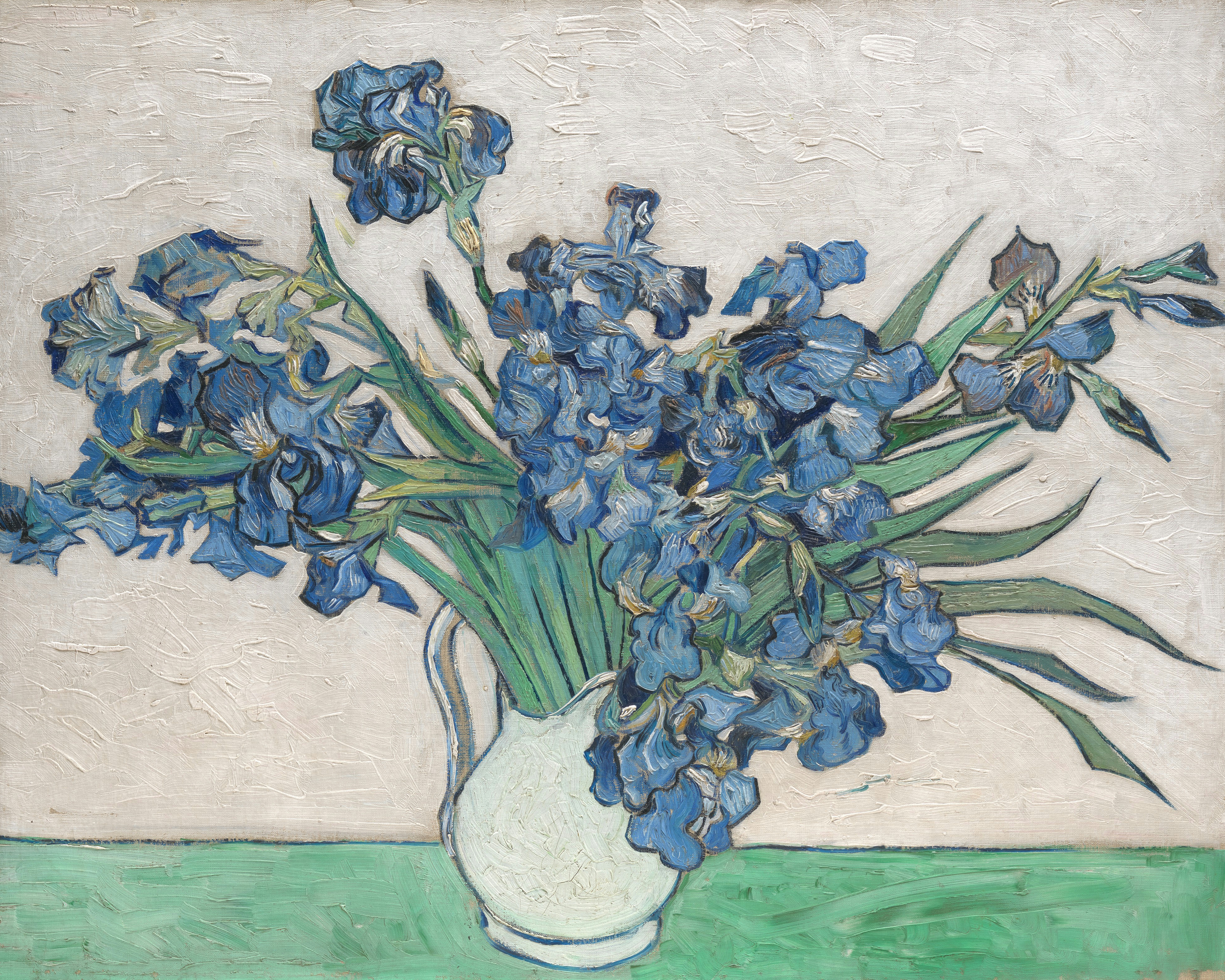
Irises · Vincent van Gogh · 1890 · The Metropolitan Museum of Art
A floral picture can make the card enjoyable beyond the first week of January. You do not need to fill the front with a year number if the available design and your message already make the occasion clear. The recipient may keep the image or simply appreciate the greeting once. Either response is enough; sending the card should not create a duty to display it.
Choose art for your card · Explore this artwork
10. A Family Meal: greetings from a household
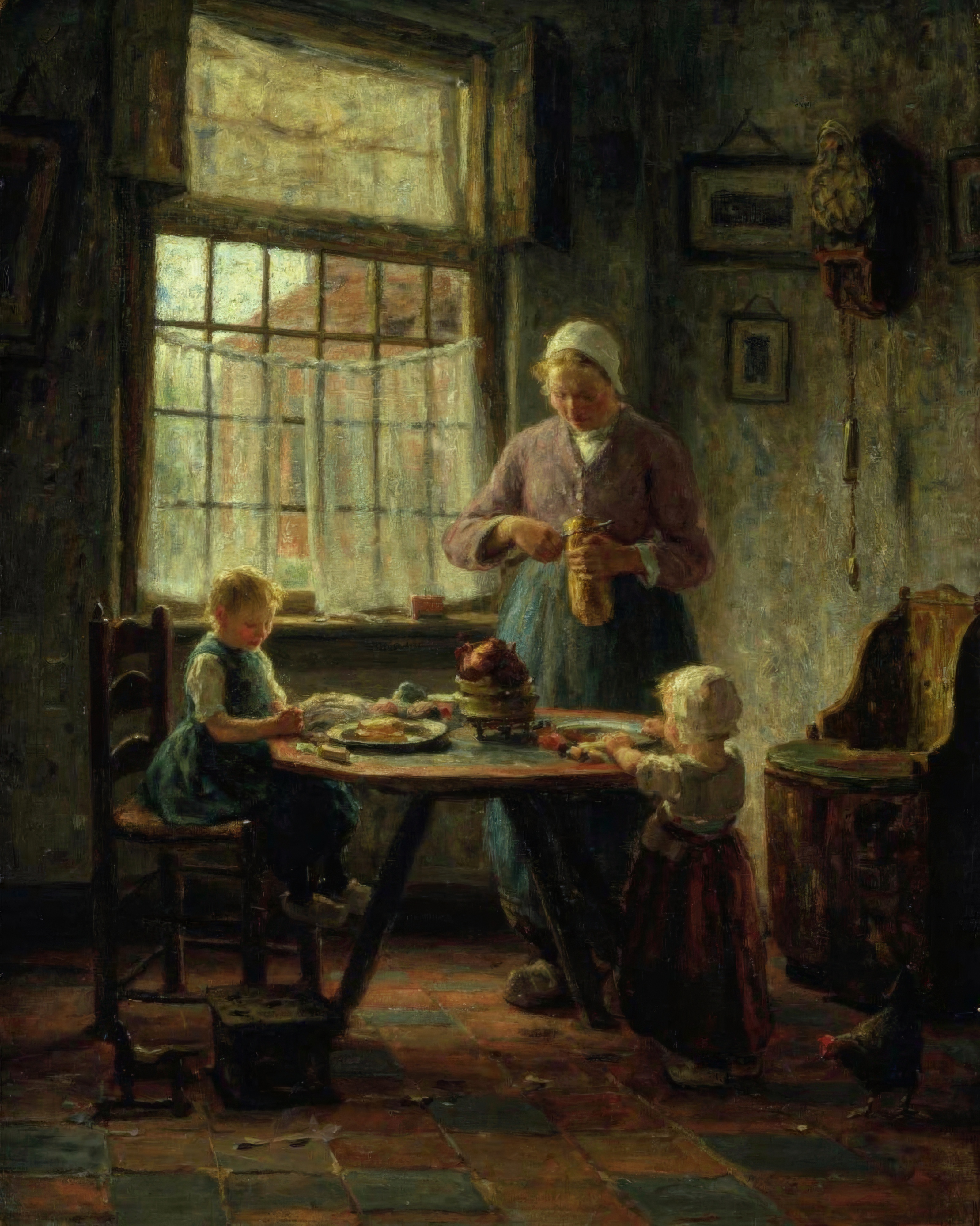
A Family Meal · Evert Pieters · 1890s (?) · Art Institute of Chicago
Pieters's family reference can prompt a greeting from several people without turning it into a long household report. Let each person contribute a line if that feels natural, then check the names and tone together. A family card can be warm while leaving room for the recipient's life. Ask a real question only if you are ready to hear the answer and continue the conversation.
Create a family New Year card · Explore this artwork
A useful New Year message looks both ways lightly: one memory you are glad to share, and one realistic wish for the months ahead. You can omit either part if it does not fit. There is no need to summarise a difficult year, make resolutions for someone else or promise that the next one will be easy.
Open Fable Cards to choose an available image or explore a portrait direction. Add your words, review the complete proof and check recipient names before continuing to the purchase options. Current product information provides formats, prices and delivery details.
New year cards are another chance to make contact, not a deadline you have failed elsewhere. Send the greeting that fits the person and the moment. A short note about staying in touch can carry more warmth than a polished account of a perfect year.