Memorial gifts: ten gentle ways to choose a picture
Historical portraits and quiet scenes help you consider a remembrance gift with the recipient’s wishes in mind.
Memorial gifts are easier to choose when the first question is whether the recipient wants one. A portrait may be welcome, or it may feel too immediate; a familiar landscape or a private note may be more comfortable. There is no correct size of gesture and no timetable that makes a picture appropriate for everyone.
The works below are historical images used to consider different ways of remembering. They are not memorial commissions, customer stories or evidence that a particular object will help someone grieve. Begin with permission to use a photograph and, where possible, let the recipient choose the image. The practical guide to a funeral portrait addresses a different, more time-sensitive setting. Here the emphasis is a personal gift that can be considered without requiring a public display or an immediate response.
1. A familiar face without a large narrative
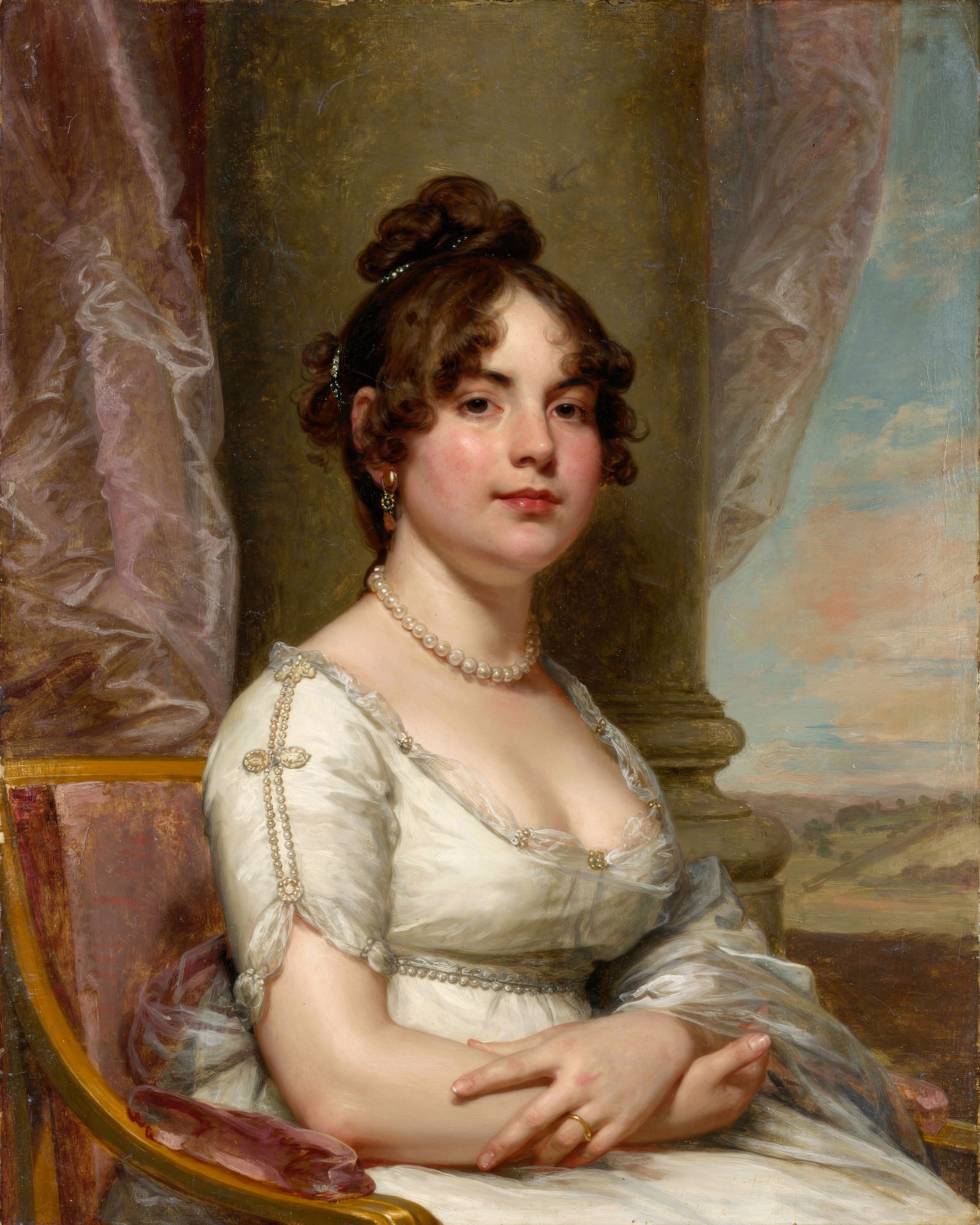
Elizabeth Beltzhoover Mason · Gilbert Stuart, c. 1803–5 · Cleveland Museum of Art. Restored by Surrealium at Vaxholm Fortress, Sweden.
Elizabeth Beltzhoover Mason’s portrait places the sitter close to the viewer, with her hands calmly gathered before her. The setting supports the face rather than demanding that we follow a separate story. For a remembrance gift, that suggests a useful question: is there a photograph the recipient already recognises and loves, one that does not need an explanation of why it was chosen?
2. A portrait that keeps the wider setting
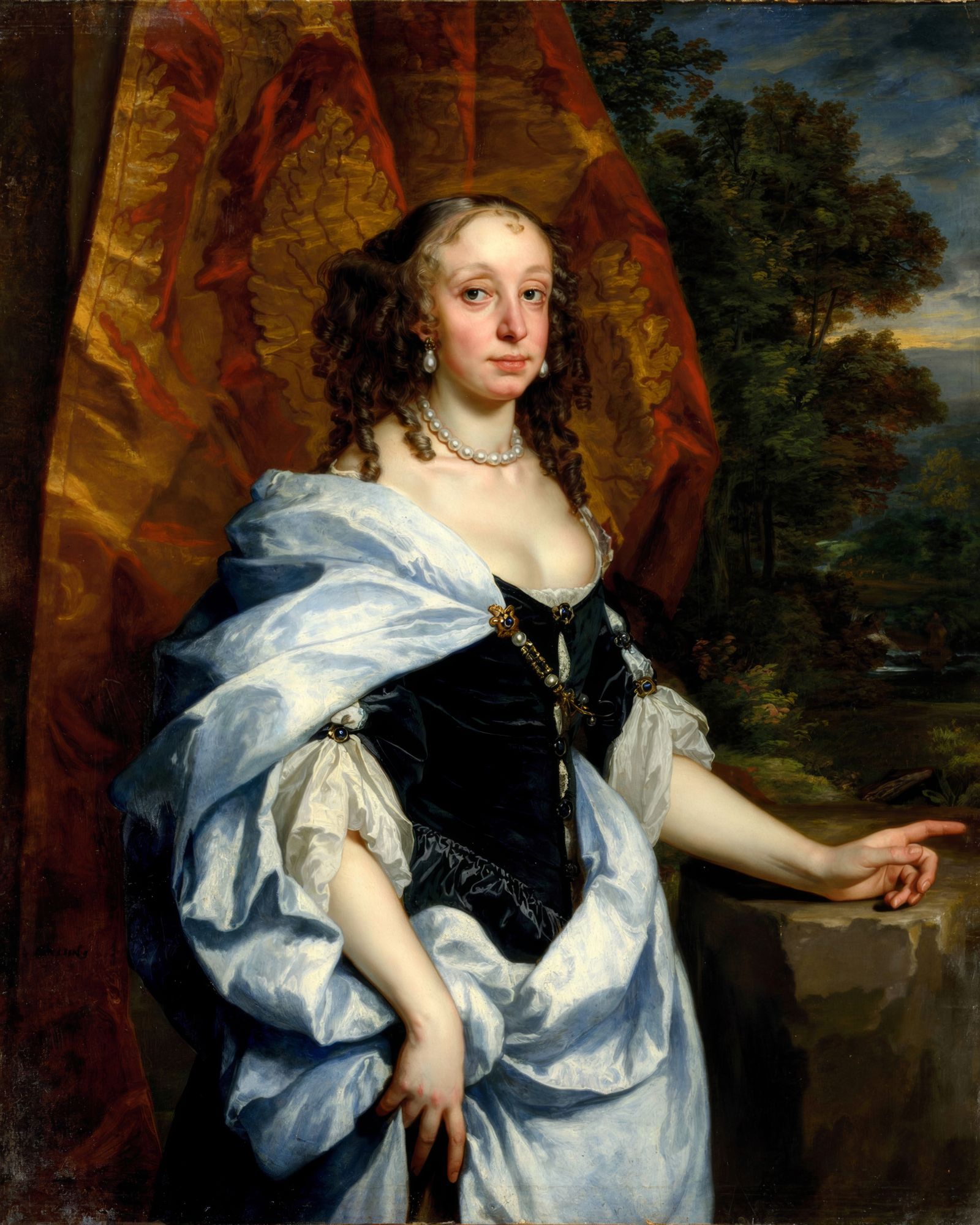
Portrait of Mrs. Leneve · Peter Lely, c. 1657 · Cleveland Museum of Art. Restored by Surrealium at Vaxholm Fortress, Sweden.
Mrs Leneve stands within a landscape framed by warm drapery, her body and surroundings given substantial room. Some people remember a loved one through a place or a manner of standing as much as through a close face. If that is true here, discuss it before choosing a crop; keeping more of the original photograph may preserve something the recipient values.
3. An ordinary afternoon together
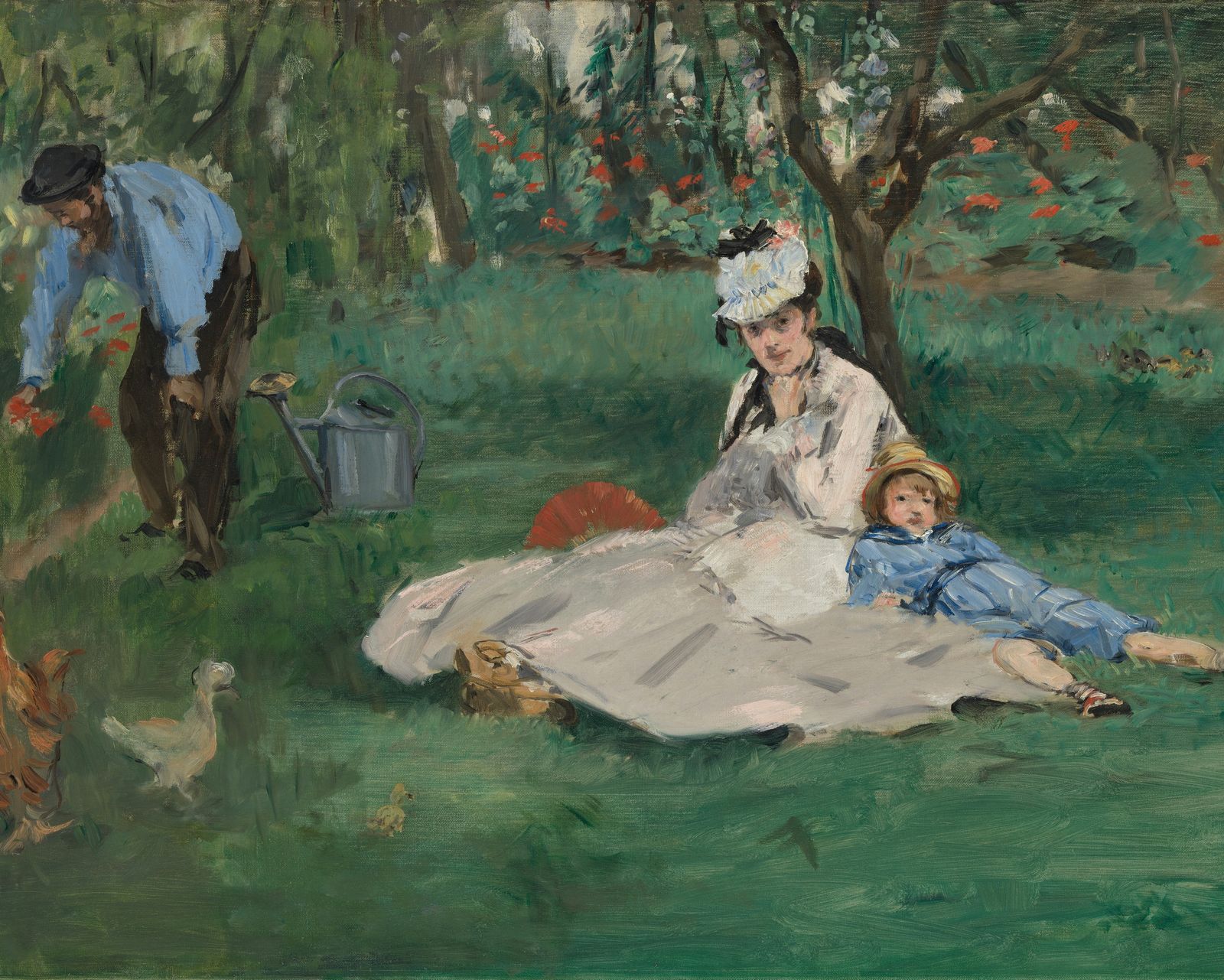
The Monet Family in Their Garden at Argenteuil · Edouard Manet, 1874 · The Metropolitan Museum of Art. Restored by Surrealium at Vaxholm Fortress, Sweden.
Manet’s Monet family occupies a garden, with one figure tending the plants while others rest nearby. Its relevance is the everyday activity, not a claim that the painting was made as a memorial. A photograph from an unremarkable afternoon can sometimes feel more recognisable than a formal occasion; let the person receiving the gift decide which kind of memory they would like to keep visible.
4. Care shown through a small action
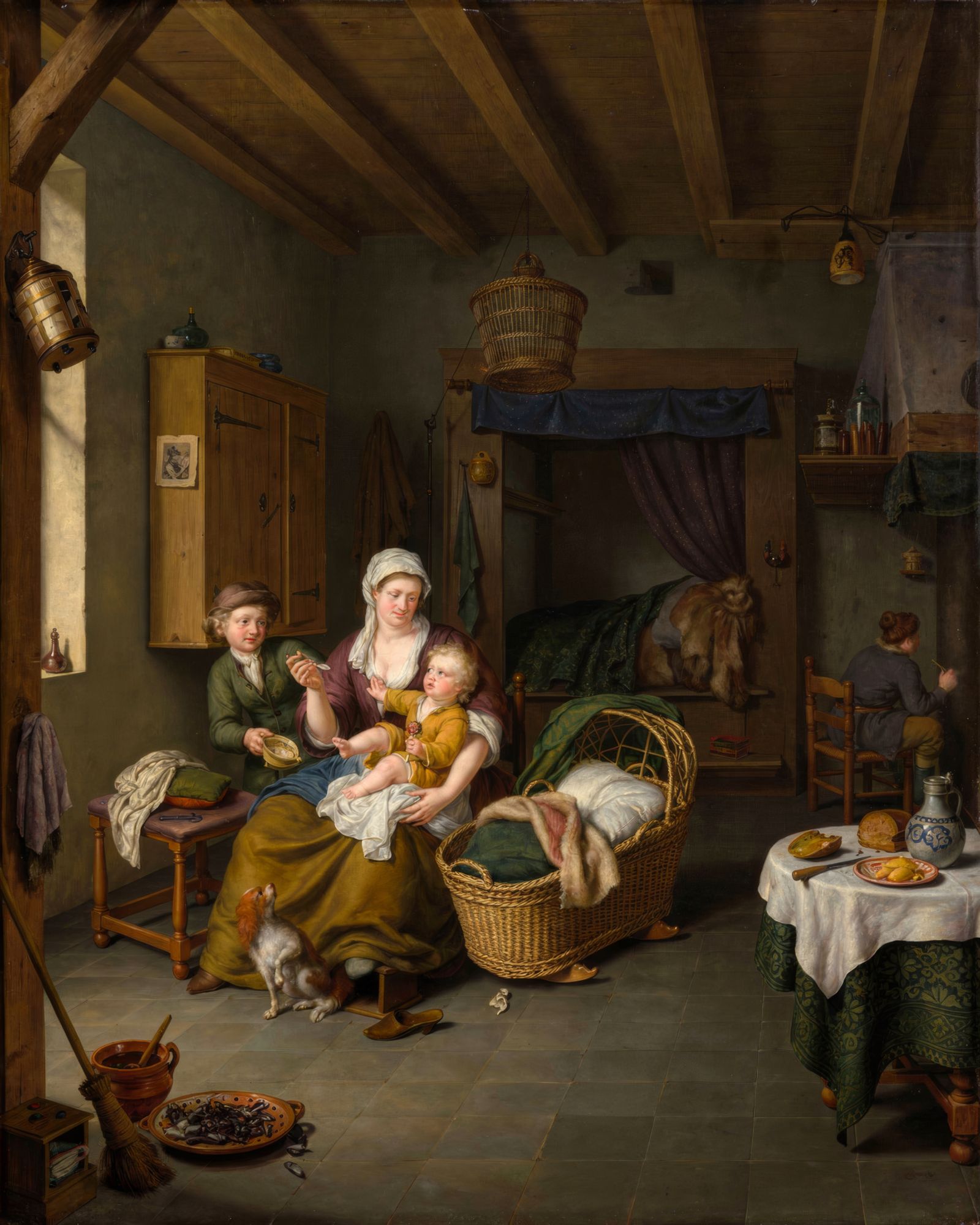
A Mother Feeding her Child (The Happy Mother) · Willem van Mieris, 1707 · Art Institute of Chicago. Restored by Surrealium at Vaxholm Fortress, Sweden.
In Mieris’s domestic scene, a mother feeds a child while the room continues around them. The relationship is carried by an action rather than an inscription declaring what the viewer should feel. If you are considering an image of caregiving, ask whether the recipient finds that particular moment welcome, and avoid turning a private relationship into a public statement without their agreement.
5. A place at the everyday table
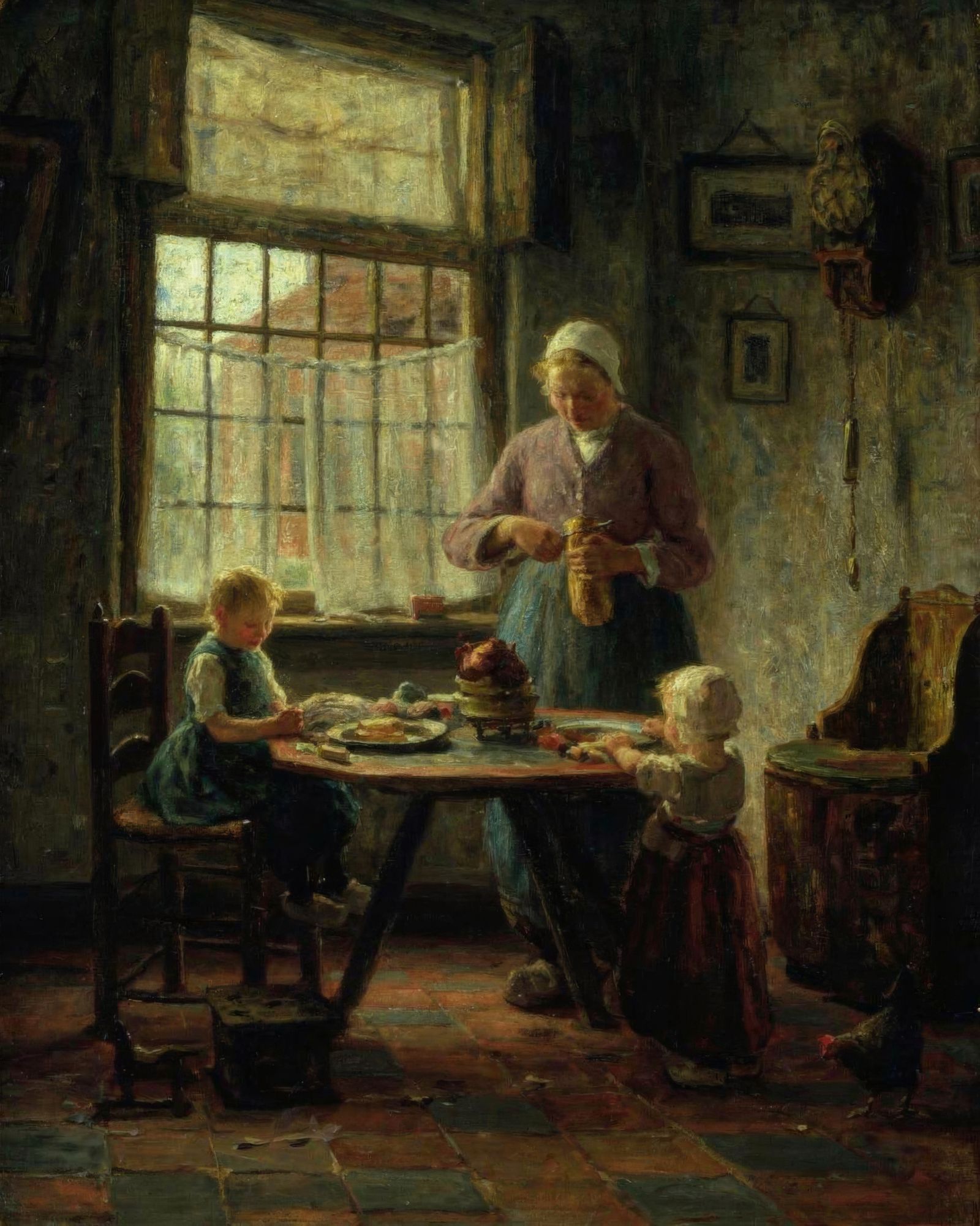
A Family Meal · Evert Pieters, 1890s (?) · Art Institute of Chicago. Restored by Surrealium at Vaxholm Fortress, Sweden.
Pieters places a shared meal within a modest interior, where light from the window falls across the room. The scene suggests the value of ordinary routines without requiring a grand celebration. A gift might refer to a kitchen, a favourite meal or a repeated visit, but keep the connection in a personal note rather than inventing a story for the historical figures.
6. A seated figure with time around her
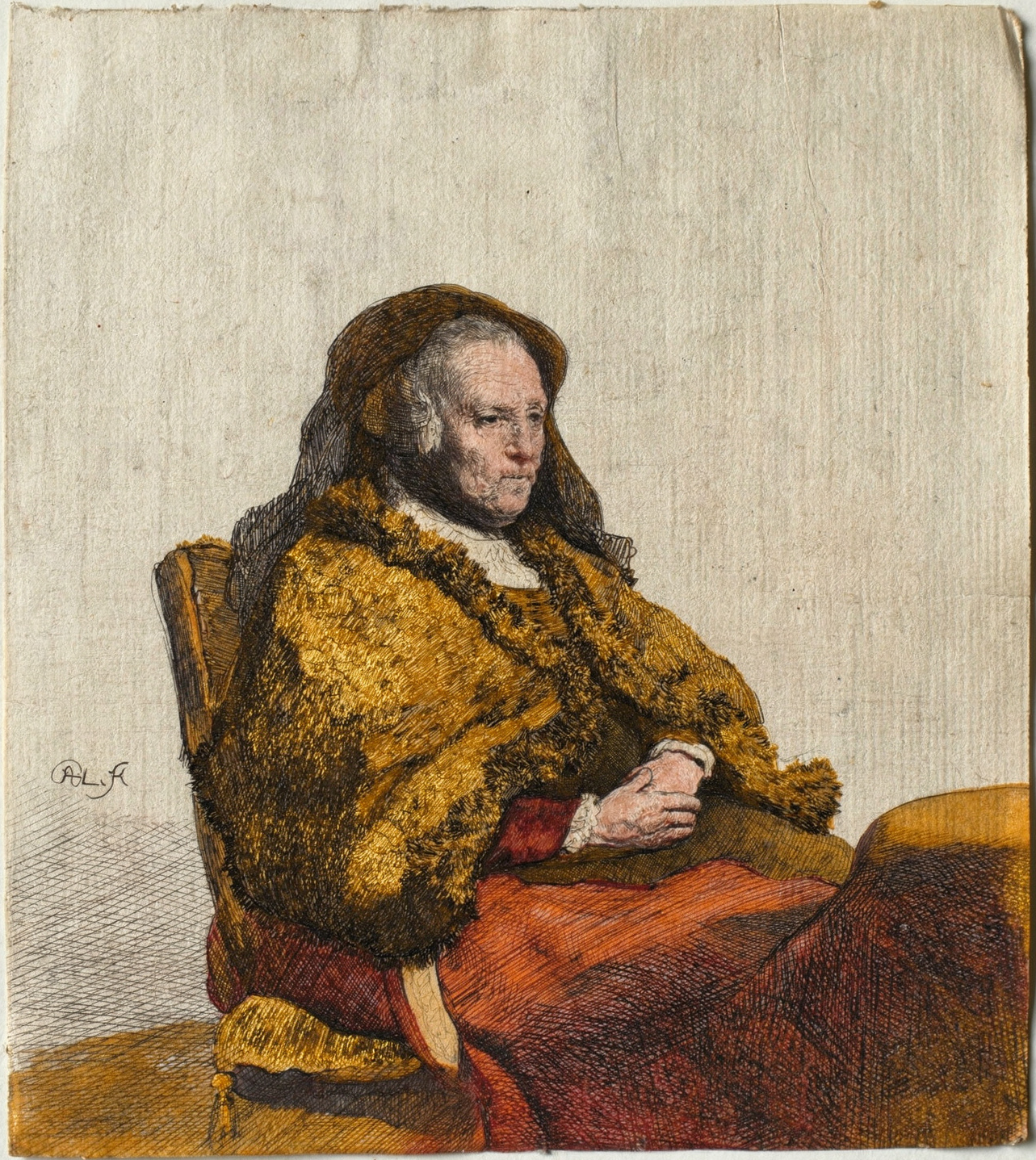
The Artist’s Mother at a Table · Rembrandt van Rijn, c. 1631 · Cleveland Museum of Art. Contemporary Fable colour edition after the historical print. Restored by Surrealium at Vaxholm Fortress, Sweden.
Rembrandt’s mother sits beside a table, her body contained within a small, quiet arrangement. The displayed image is a contemporary colour edition after the historical print. Its useful prompt is the unhurried pose: when choosing a photograph, look for the expression and posture the recipient remembers, rather than assuming that a smile or a formal outfit is always the most comforting choice.
7. A relationship held within a whole portrait
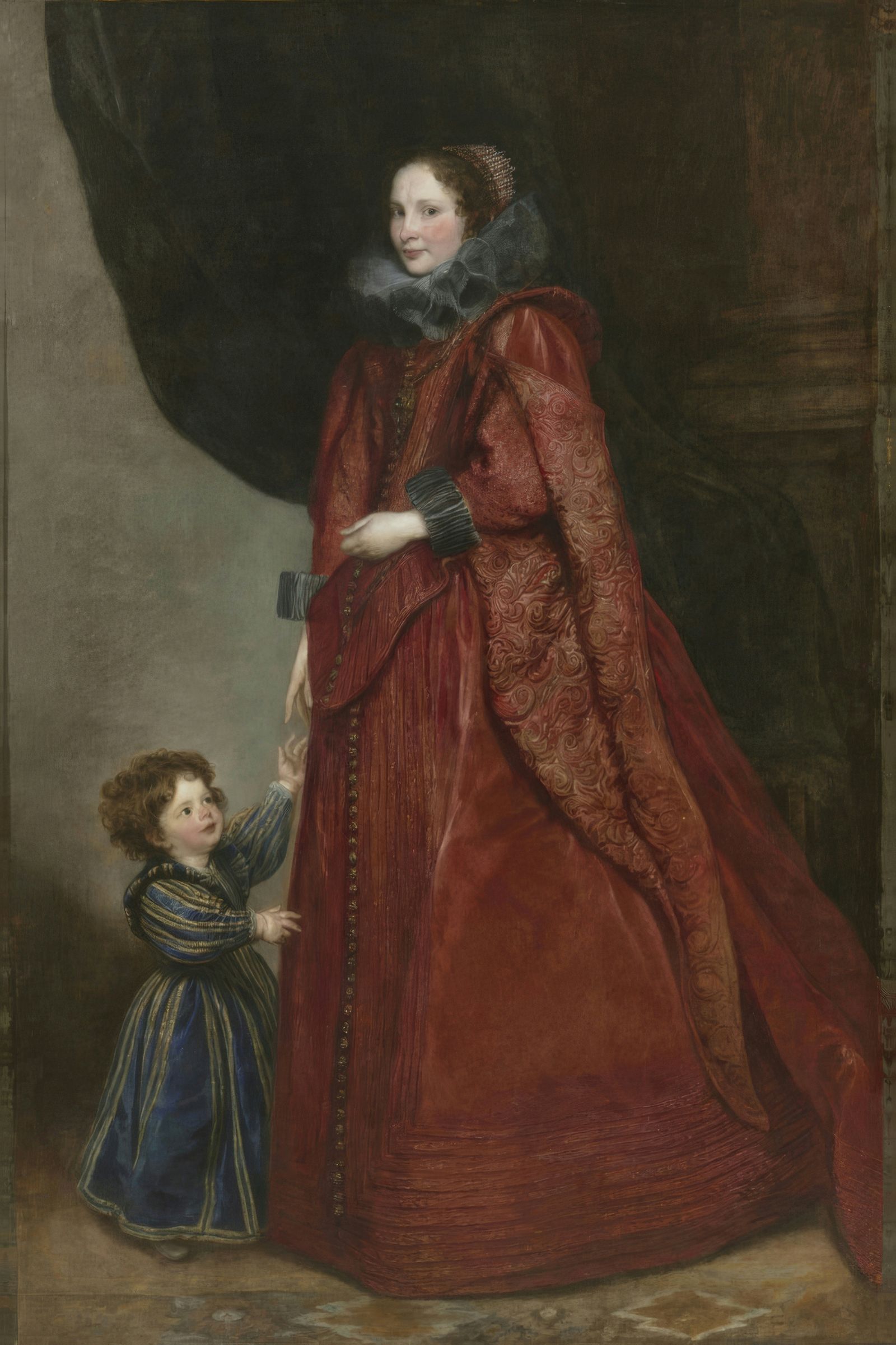
A Genoese Lady with Her Child · Anthony van Dyck, c. 1623–25 · Cleveland Museum of Art. Restored by Surrealium at Vaxholm Fortress, Sweden.
Van Dyck’s Genoese lady stands with her child at her side, the small hand and upright figure linking the two. A family portrait can hold a relationship in view, but it is still a choice the surviving family should help make. Avoid assembling a surprise composite of people from different photographs if you have not discussed whether that kind of new image would be welcome.
8. A small portrait can be enough
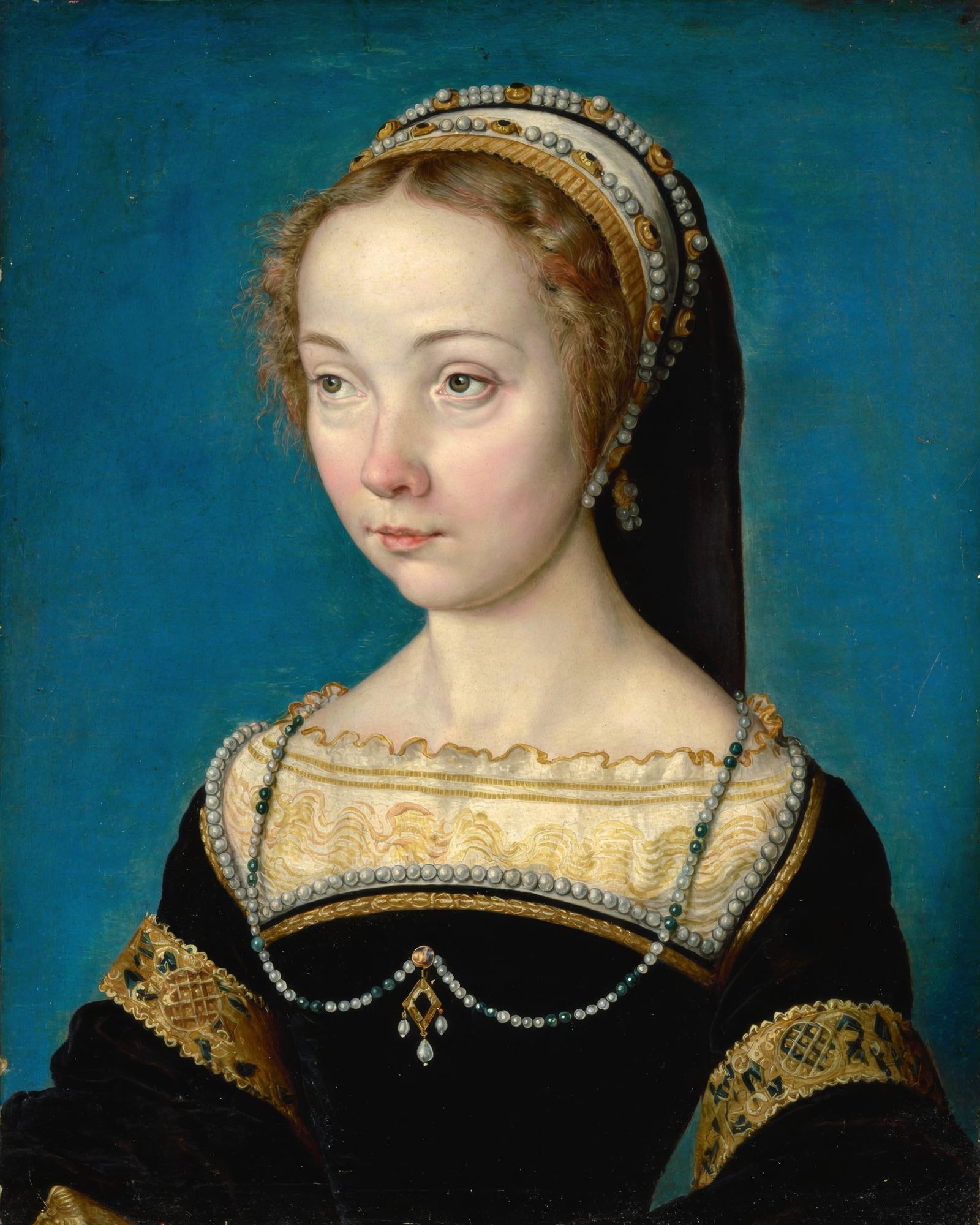
Portrait of a Woman · Corneille de Lyon, c. 1540 · Cleveland Museum of Art. Restored by Surrealium at Vaxholm Fortress, Sweden.
Corneille de Lyon gives a woman’s head and shoulders a clear presence against a blue field. The image does not need an extensive setting to feel complete. For someone with limited space or a preference for privacy, consider the scale and place of the gift before its symbolism; a personal picture need not become the dominant object in a shared living room.
9. Flowers when a face feels too immediate
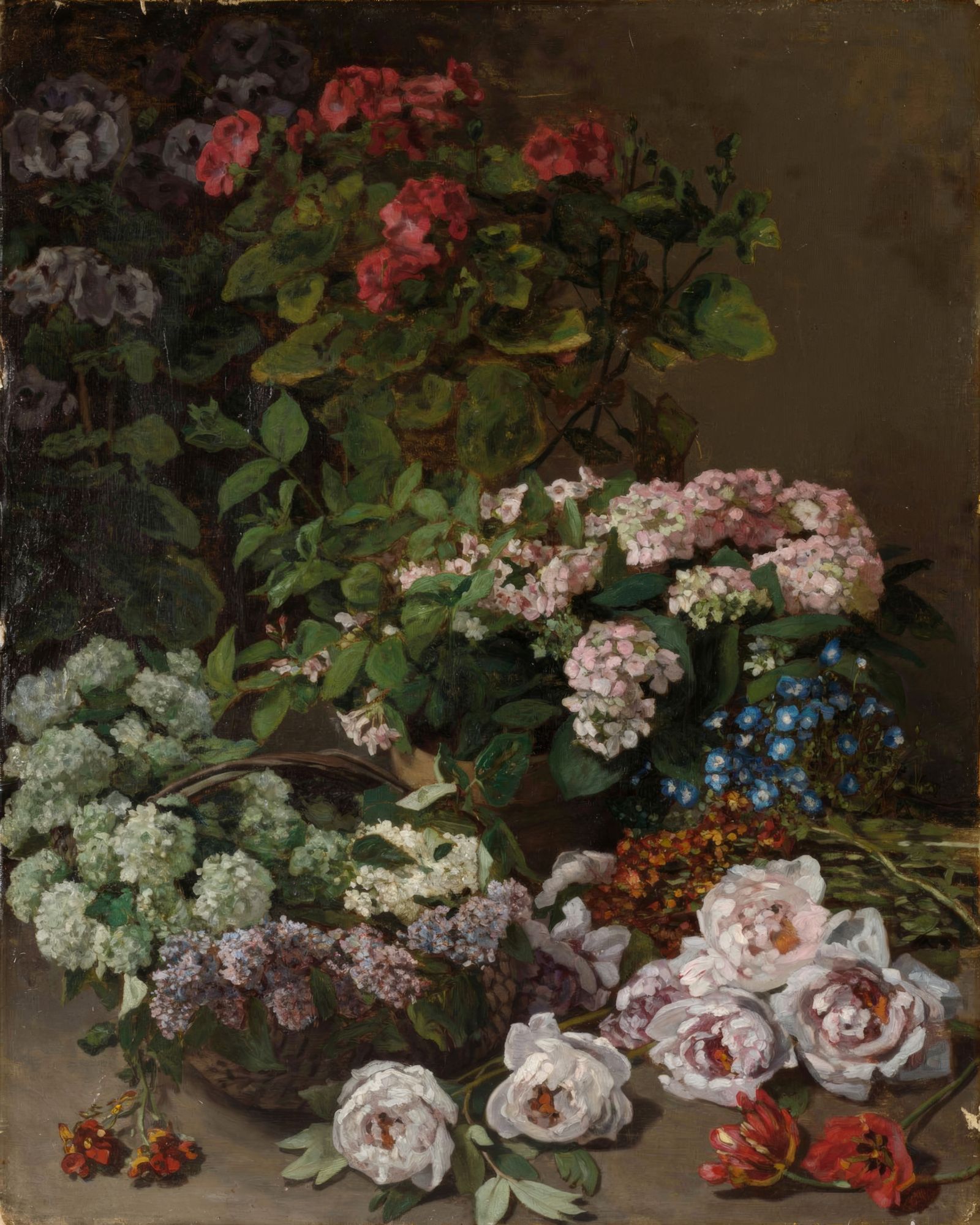
Spring Flowers · Claude Monet, 1864 · Cleveland Museum of Art. Restored by Surrealium at Vaxholm Fortress, Sweden.
Monet’s flowers spread across a full arrangement of blossoms, leaves and vessels. They offer an alternative subject for a person who would welcome an art gift but does not want a portrait at this moment. Choose because of a known preference or shared memory, and avoid promising that a particular flower has one universal meaning across cultures, families and circumstances.
10. A place to look without explaining
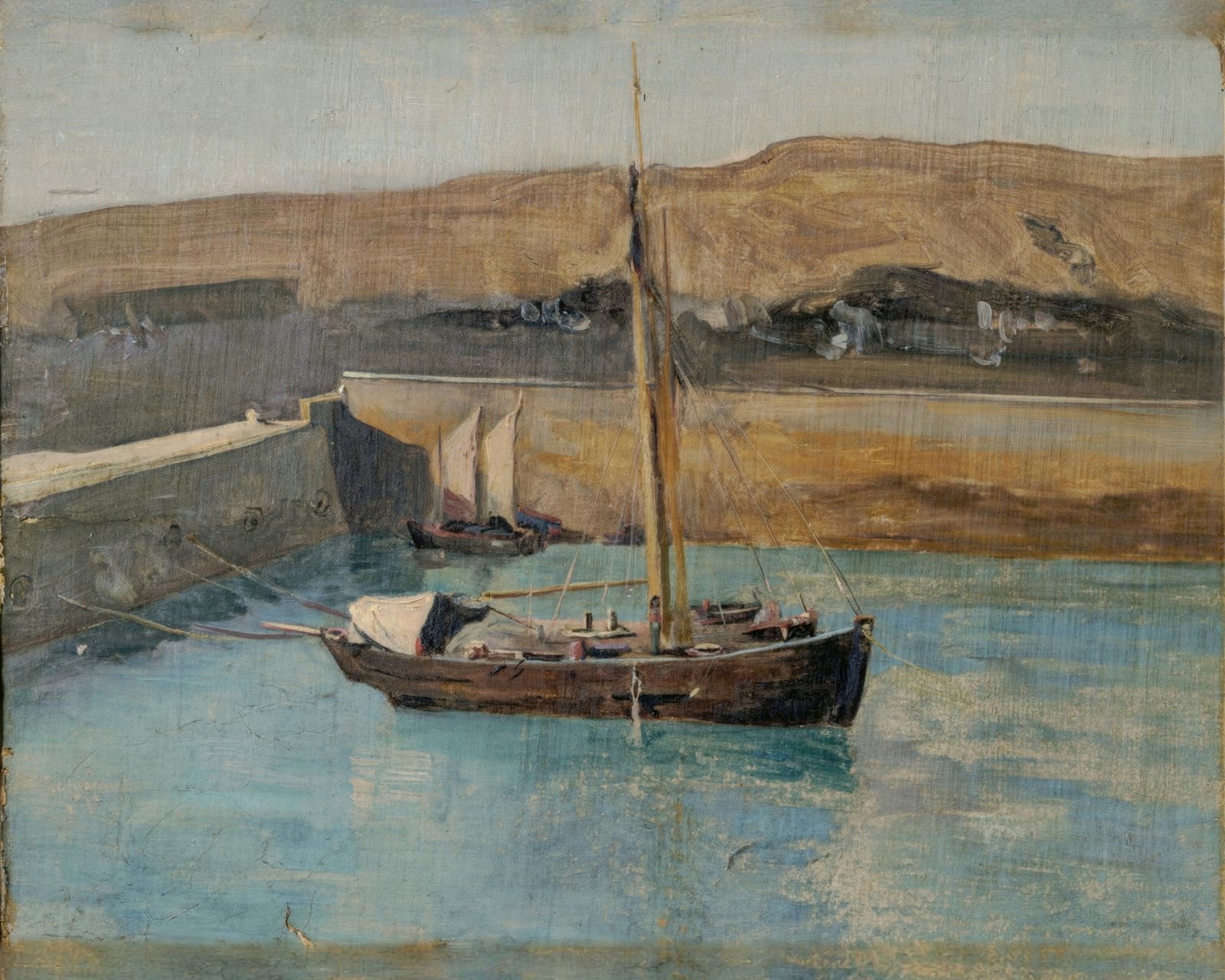
A Fishing Boat, Honfleur · Jean-Baptiste-Camille Corot, c. 1830 · Harvard Art Museums/Fogg Museum, Gift of Adele R. Levy Fund, Inc.. Restored by Surrealium at Vaxholm Fortress, Sweden.
Corot’s fishing boat rests within a broad, quiet harbour scene. It can suggest a familiar coast or a shared journey without making remembrance the only way the picture may be understood. A landscape may be a thoughtful option when the recipient wants something less explicit, but ask about the place and the image rather than deciding in advance what it ought to represent.
If you are unsure, a simple message can leave room: “I would like to make something with this photograph, if that would feel right to you. There is no need to decide now.” Offer an easy way to decline. The more specific guides to remembering a mother and remembering a father consider those relationships without making them interchangeable.
For the image itself, start with the original photograph and retain a copy before any changes. The custom portrait guide explains the creative route; the family-meal style shows one historical source for a family composition. You can also look through Masterworks together. The recipient’s wishes matter more than the surprise, the inscription or the occasion you first had in mind.
The personalised gift guide offers a wider way to begin with the recipient’s preferences. If they would welcome a new image, explore a portrait with a photograph they have chosen.
- Is a portrait an appropriate memorial gift?
- It may be, when the recipient wants one and agrees to the photograph being used. Ask privately, offer time to decide, and make declining easy. A portrait is one option among many, not a required part of remembrance.
- What if the only photograph is small or damaged?
- Keep the original file or scan and assess what can actually be seen. Do not promise details the source does not contain. Let the recipient review any interpretation before treating a new portrait as a faithful record of the person.
- Should I give the gift at a funeral?
- Do not assume that a public or time-sensitive occasion is the right moment. Discuss timing with the recipient or someone they have asked to coordinate practical matters. A later private gift may be preferable, and no gift may also be their choice.