The Sola Busca tarot, the oldest complete tarot deck
Engraved around 1490 and coloured in Venice in 1491, its 78 cards trade virtues for Roman heroes and gave the Rider–Waite–Smith deck its scenes.
Look closely at paintings and the people behind them. Explore artists, movements and the stories hidden in familiar and unexpected works of art.
Engraved around 1490 and coloured in Venice in 1491, its 78 cards trade virtues for Roman heroes and gave the Rider–Waite–Smith deck its scenes.
Under a red parasol by the wheat, in a haystack, on a bench in a birch wood. Nine paintings of country love, from Daphnis and Chloe to the Black Forest.
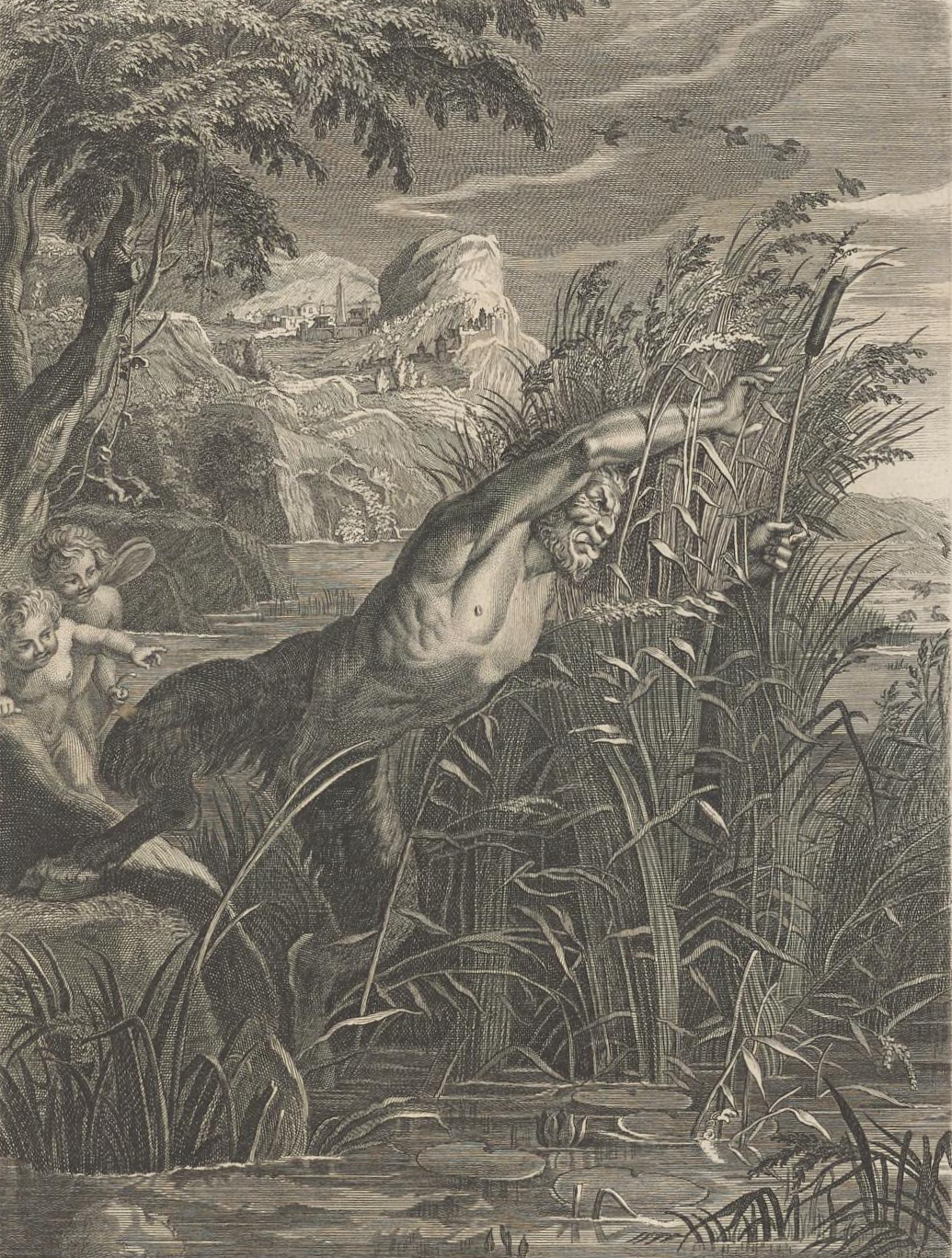
The river, the reeds and the commentary’s cosmic Pan reveal a landscape shaped by Syrinx’s escape.
Fragonard's swing, Boucher's shepherds, and the painters of the 1880s to 1920s who dreamed of powdered wigs and silk. Love in the eighteenth-century manner.
Painted in gold and tempera for the court of Francesco Sforza, divided between New York and Bergamo, with four cards lost. The story of the most famous tarot deck.
A honeymoon walk, a painter and his wife on a Danish beach, a picnic by a red canoe. Six real marriages in paint, and what happened next.
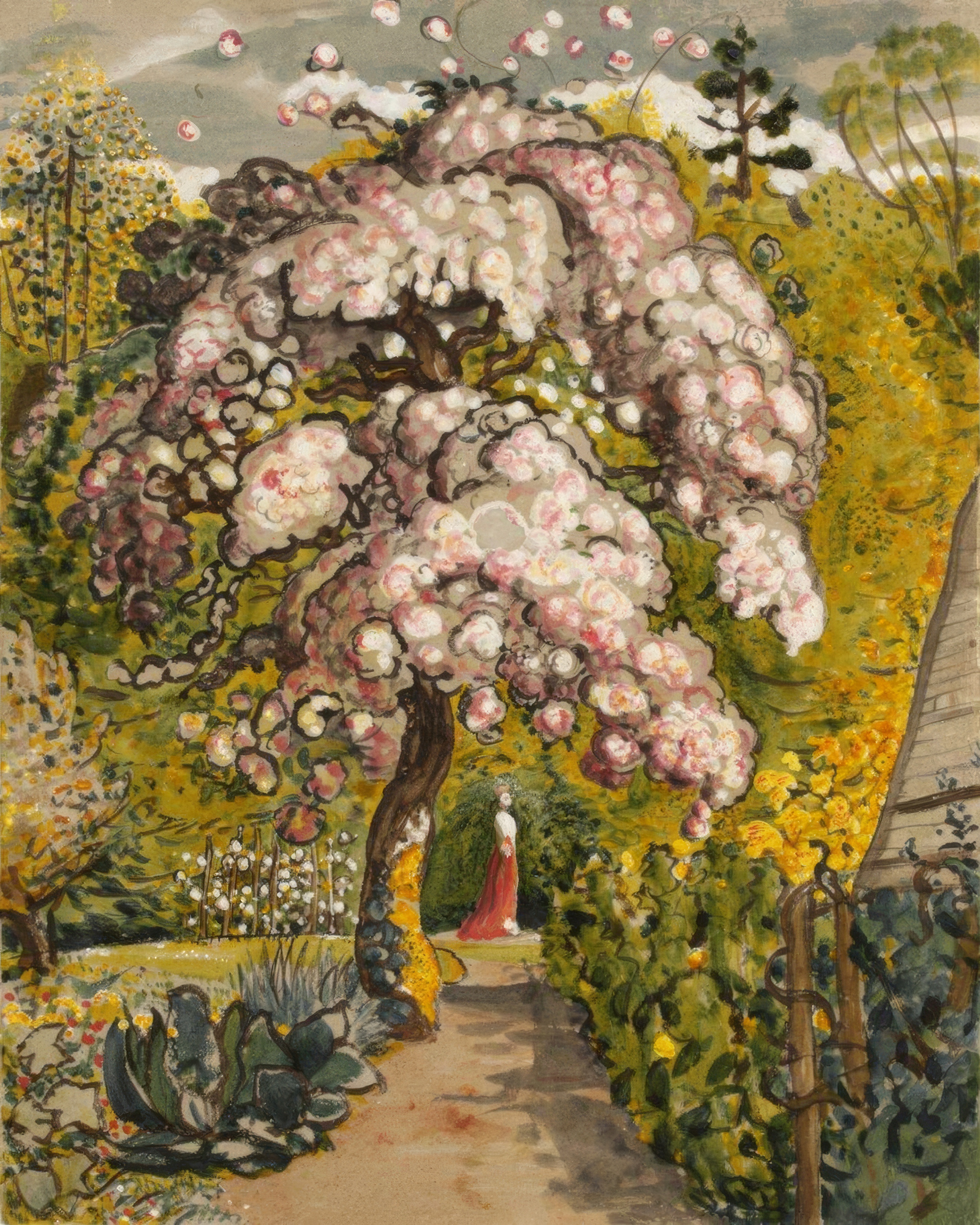
An archive with a long memory. Artists at Vaxholm Fortress. Original technology, made personal.
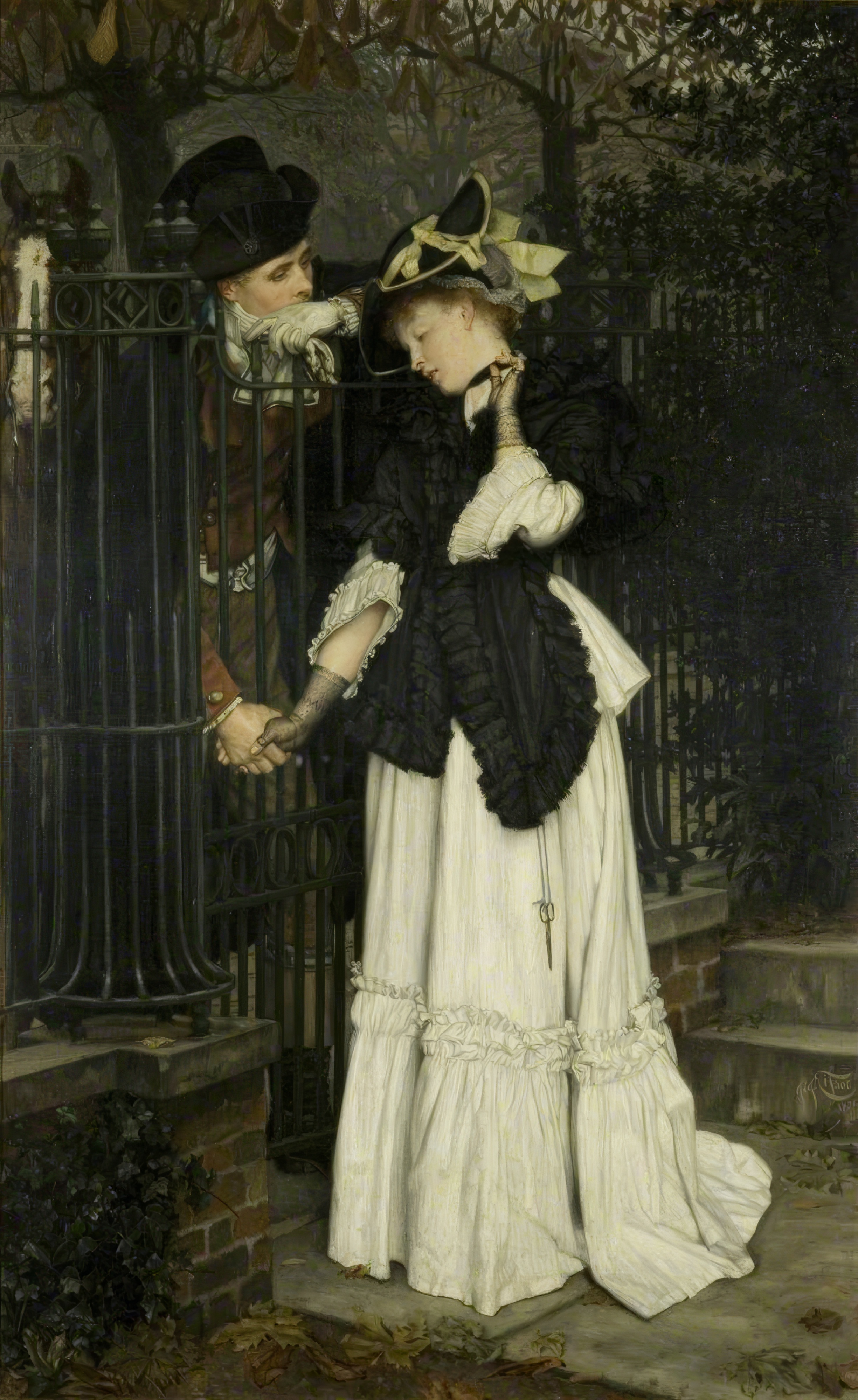
A soldier at the door, a knight's shadow on a wall, two hands through a garden railing. Eight farewells in art, and the stories behind them.
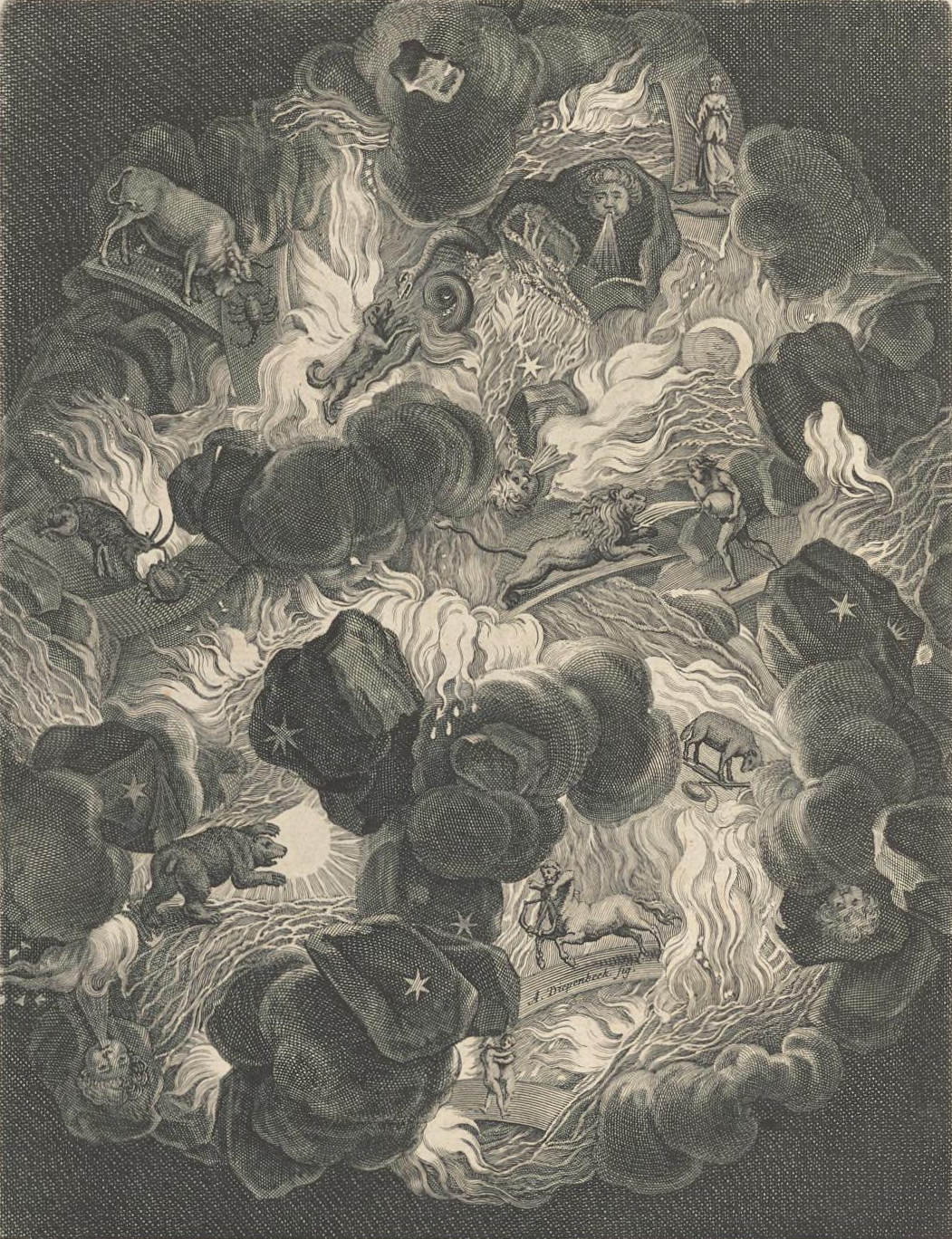
A close reading of the 1749 mythological volume behind Fable’s developing Temple des Muses colour editions.