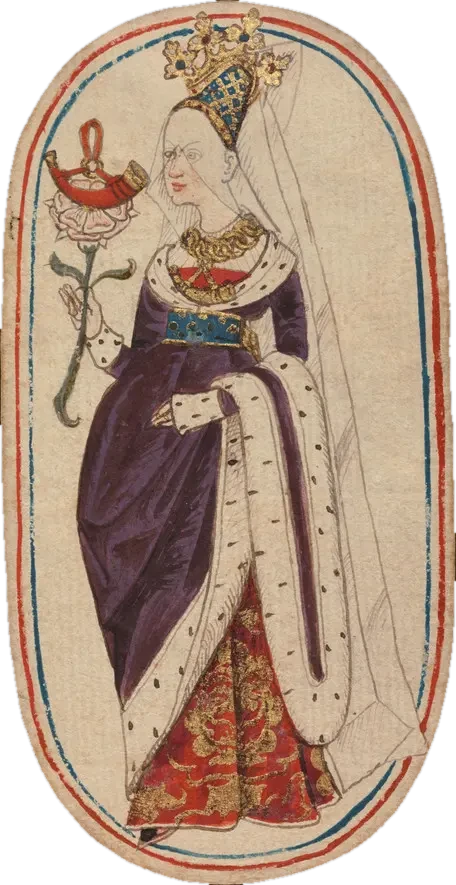
Cartomancy: playing cards, tarot and reflective reading
Cartomancy through historic playing cards and tarot: how decks differ, where later meanings enter, and a short exercise without prediction.
Painted portrait styles, explained — Renaissance vs. Baroque, when oil reads better than watercolor, and the questions to ask before commissioning.
Cartomancy through historic playing cards and tarot: how decks differ, where later meanings enter, and a short exercise without prediction.
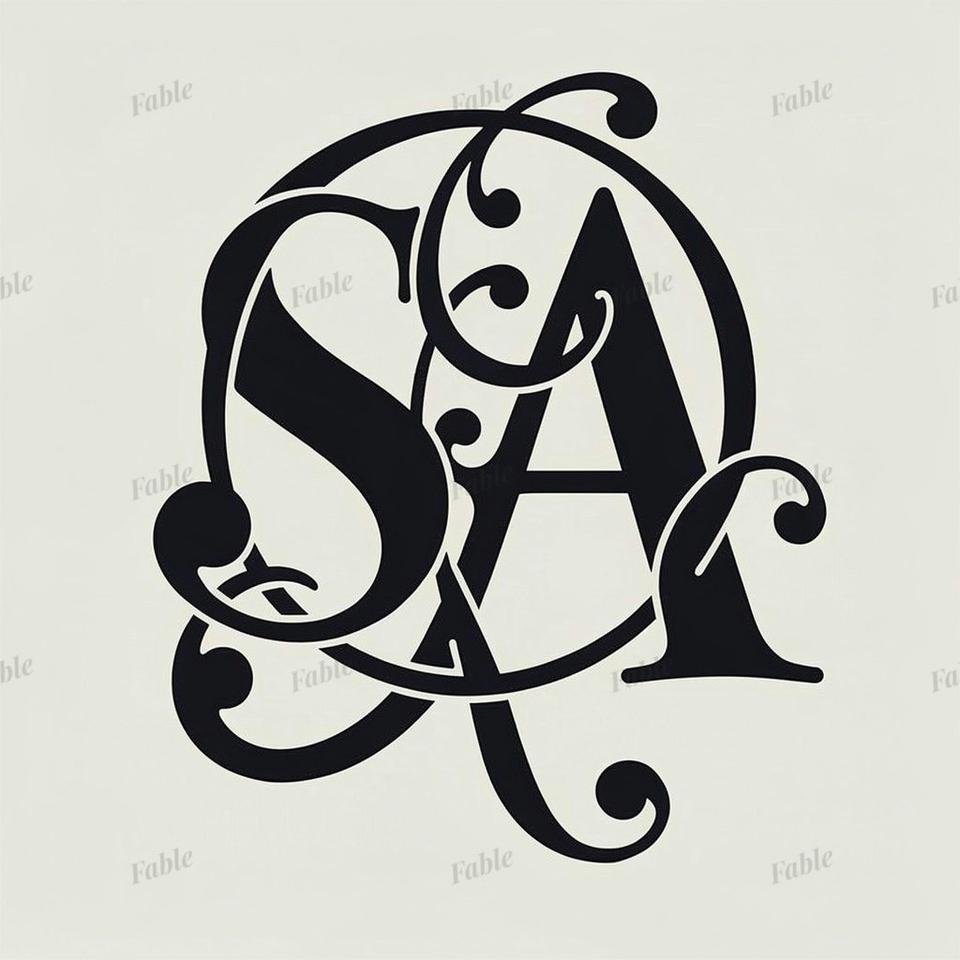
Trace the name, distinguish specific historic bearers, and plan a new Murphy emblem with clearly labelled Fable examples.
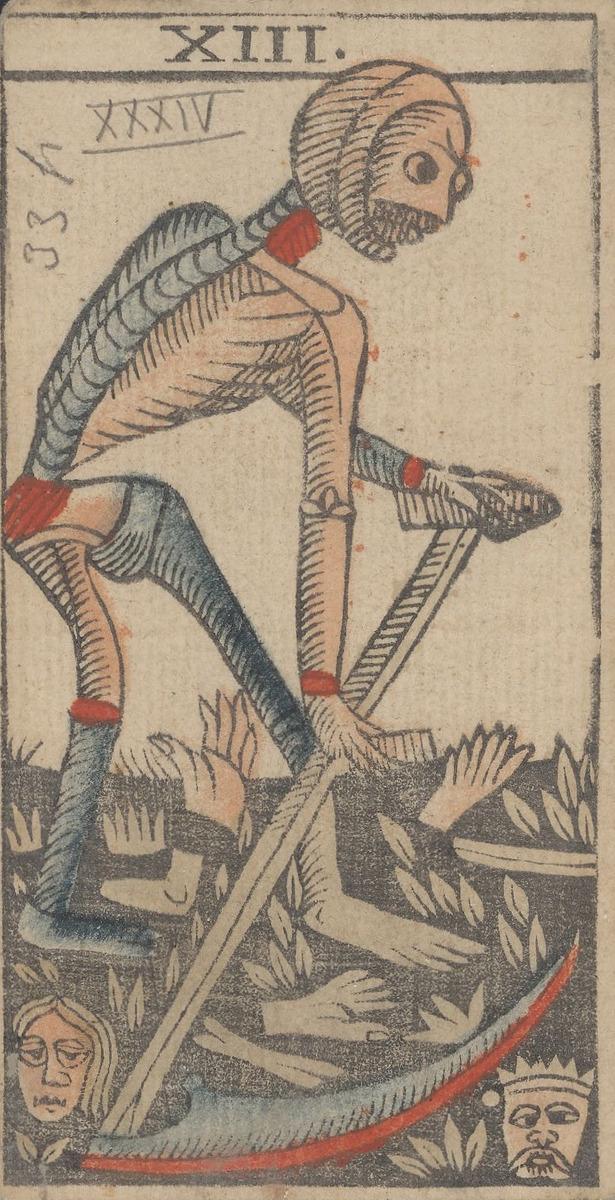
The Death card’s skeletons and scythes in two historic decks, with symbolic meanings that make no claims about anyone’s lifespan.
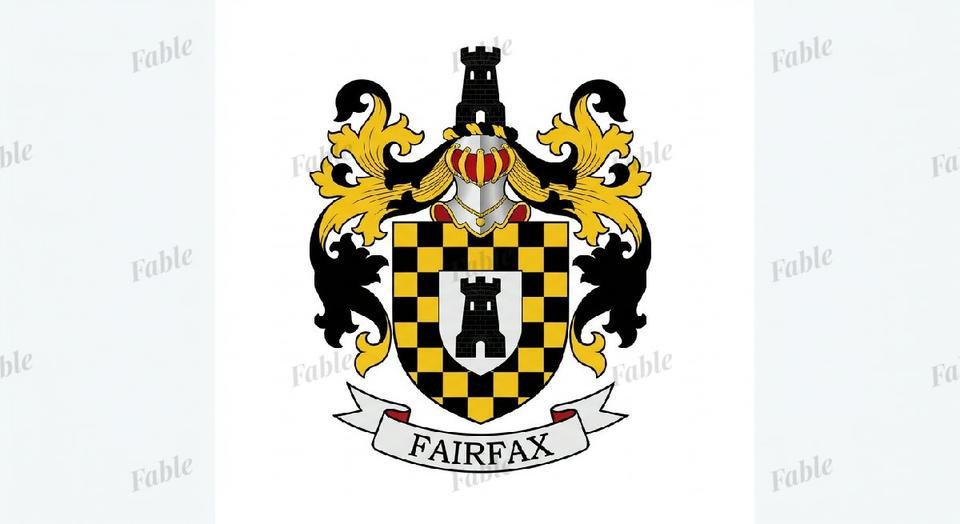
Understand the chief’s crest badge and specific Campbell arms before planning a contemporary decorative emblem.
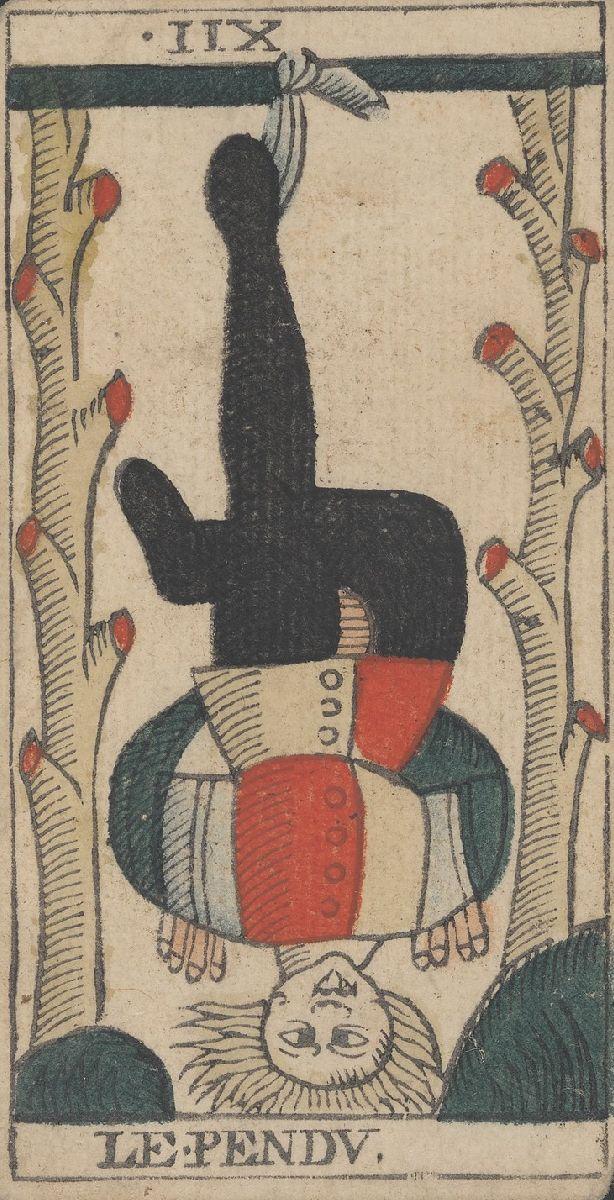
The Hanged Man in Payen’s deck, its symbolic meanings and the difference between choosing a pause and having no choice.
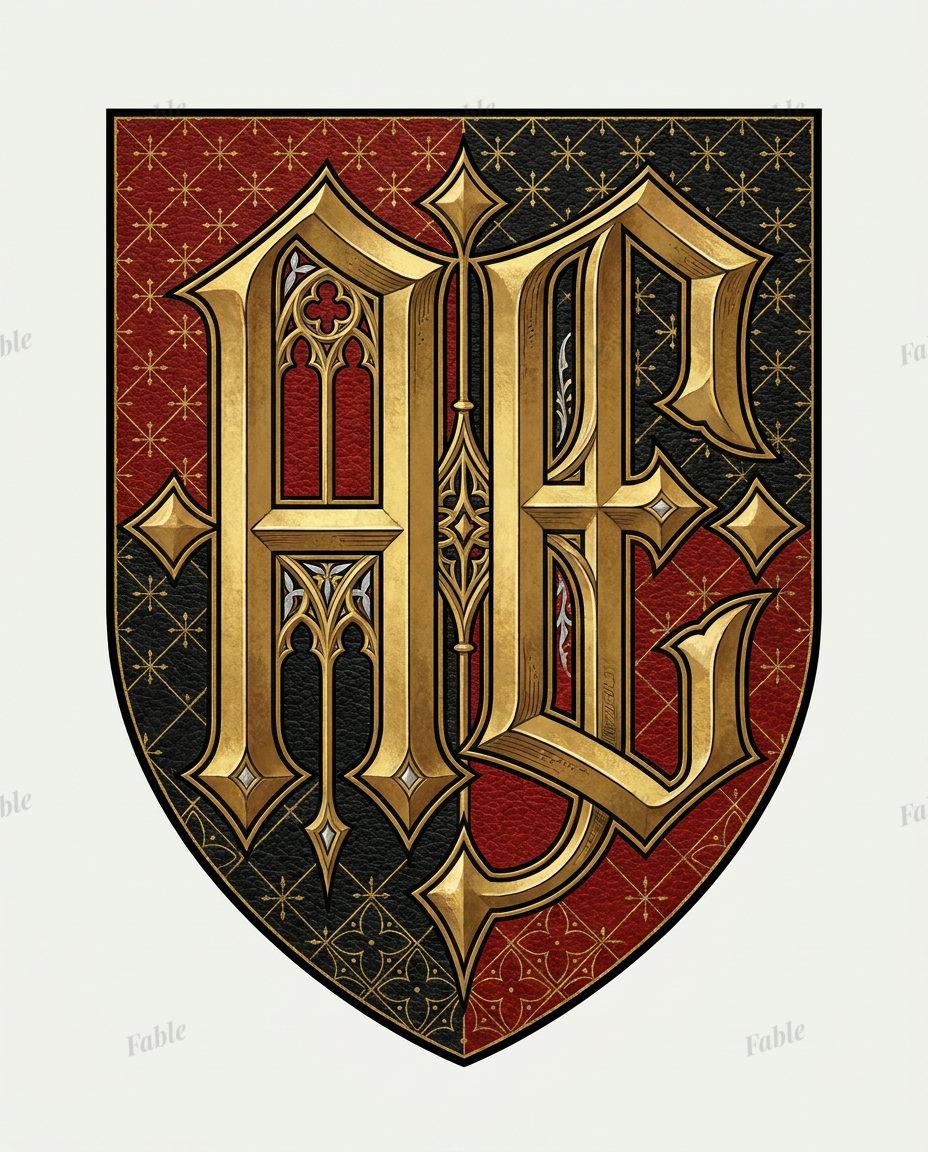
Separate a name’s linguistic origin from your own family history, then turn a documented detail into a thoughtful new emblem.
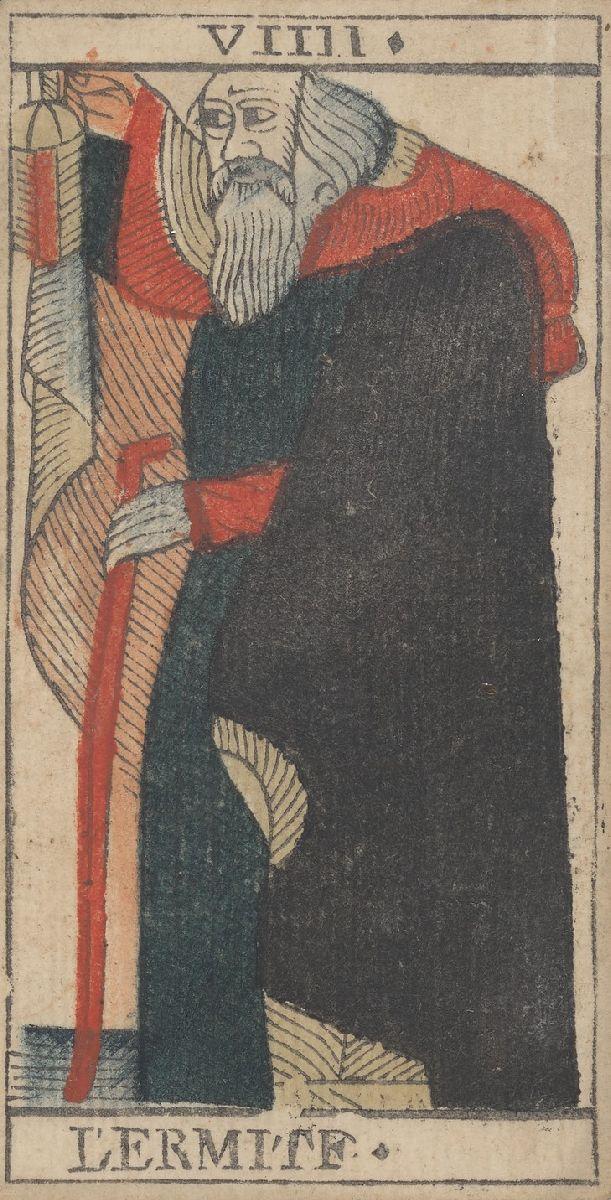
The Hermit card’s historic figure and its upright and reversed meanings, with a quiet exercise that leaves room for company.
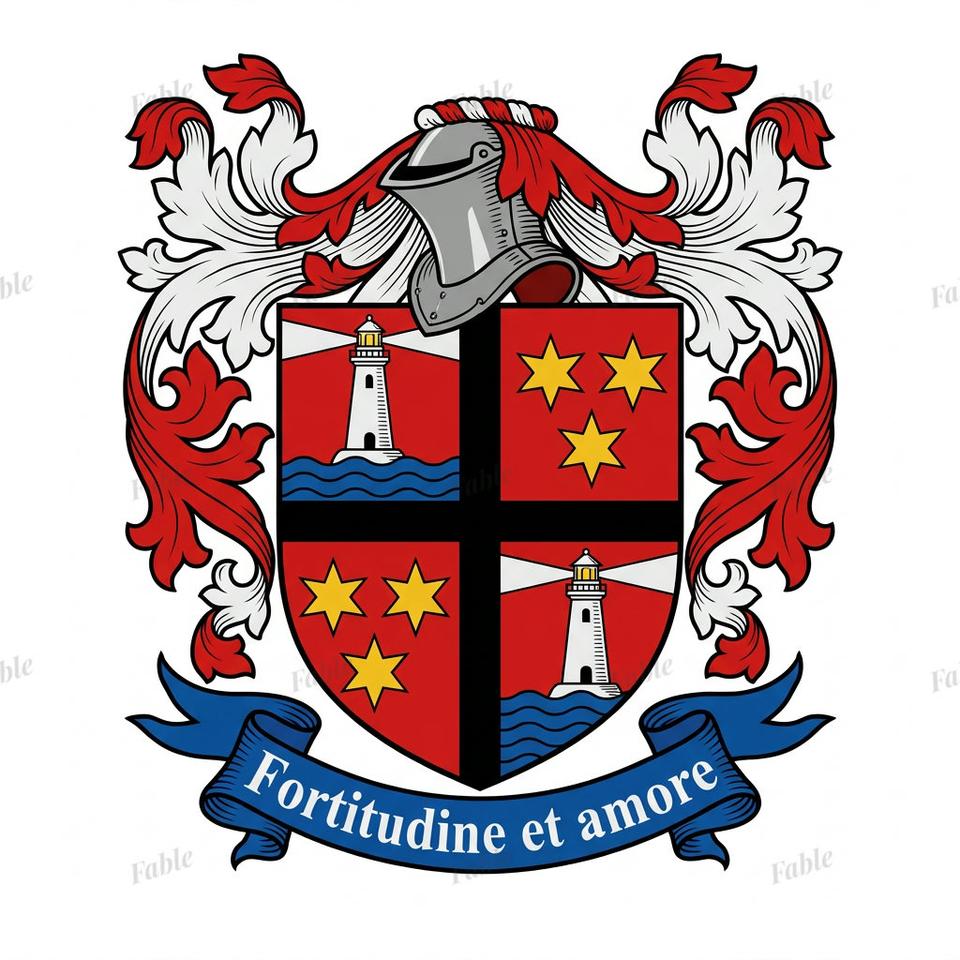
A guide to Ó Ceallaigh, specific O’Kelly armorial records and a new decorative design, without a claim of inherited arms.
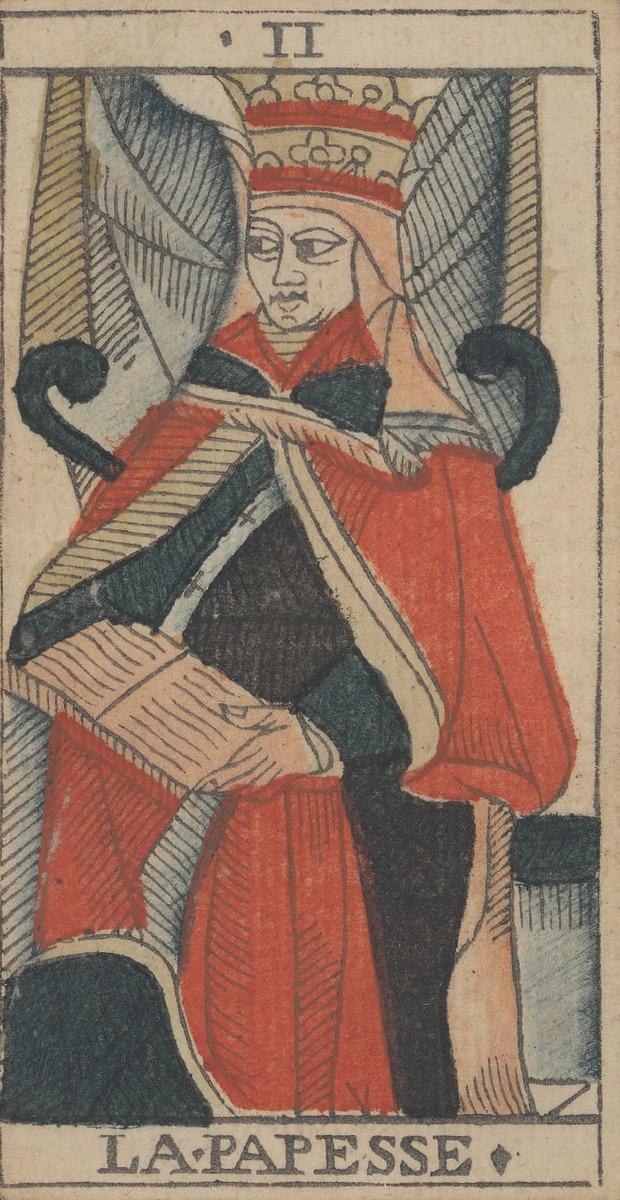
The High Priestess began as La Papesse in Marseille packs. Look at her book, her setting and the meanings later readers brought to her.